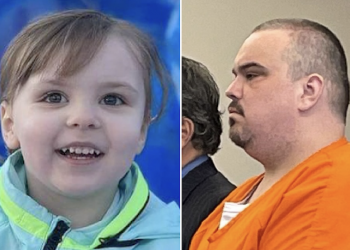
Kansas – According to Kansas authorities, new details have emerged in the case involving a man accused of causing critical injuries to a 1-year-old child. The 30-year-old defendant, K. MitcheII, was taken into custody last month and charged with one count of chiId abuse in connection with injuries sustained by a 1-year-old child last month in Kansas. He has been held in the county jail since Dec. 17 on a $75,000 bond. The charge was filed in the County District Court after Kansas authorities reviewed a probable cause affidavit detailing the events that led to the child’s critical injuries. He is scheduled for a preliminary hearing in February.
Police and emergency responders were called to a home after a 911 call reported that the baby was unresponsive. When the County Emergency Medical Services arrived, they found the baby lying unresponsive in the living room on top of a couch. Her eyes were fixed and dilated and did not respond to light, prompting medical personnel to involve the local police department.
According to the affidavit, he initially told the EMS captain that he had been playing with the child when she became unresponsive, though he denied that she had hit her head and said he did not know if she had fallen or experienced trauma. An EMS captain noticed a bruise on the child’s left temple, and other injuries were later documented on her left leg, belly and chest. The girl was rushed to the local medical center and placed in the pediatric intensive care unit in extremely critical condition with severe head injuries.
Investigators continued their work by interviewing the defendant and the child’s mother as well as examining the circumstances surrounding the incident. The mother told police she had left her three children, ages 2, 1, and 6 months, in the defendant’s care while she went to donate pIasma. She received a text from the defendant saying the 1-year-old was not responsive and being taken to the hospital by ambulance. The mother said the child appeared normal and healthy before she left for the plasma donation, noting that the infant showed no signs of illness or injury.
Initial interviews with the mother indicated that she did not believe he physically disciplined the children. However, in later questioning, she acknowledged seeing the defendant discipline the 1-year-old by grabbing her face around the mouth when the child was not behaving. The mother also admitted she had spanked the child twice on the left leg with a belt several days earlier and she explained that scratches on the baby’s shoulder came from grabbing her by the shoulder. The 2-year-old was found to have bruising and scratches, and the 6-month-old had significant abrasions and scratches on the back.
Detectives interviewed the defendant several times, and his statements changed over the course of the investigation. In his initial interview with officers, he said he wasn’t sure how the child’s head injury occurred. He described picking up the infant and throwing her in the air, spinning her around and placing her on the bed multiple times before discovering she was unresponsive the third time. On another occasion, he said he was spinning with the baby in his arms when he tripped over the edge of the bed and the child “flew” out of his arms, striking her head on a windowsill or shelf before landing on the floor between the wall and the bed.
He also described picking the child up, giving her a bottle, and then throwing and spinning the 2-year-old in the air before returning to the infant. He said he stopped that activity before again spinning the 1-year-old in his arms, ultimately leading to the incident where he tripped and the child fell.
At the hospital, a neurosurgeon reported the child had a prominent right-sided holocerebral mixed attenuating subdural hematoma, indicating significant brain injury. This type of injury, combined with the observed bruising and other trauma, led medical personnel to treat the situation as a critical child abuse case rather than an accident.
The police affidavit shows that emergency responders and detectives treated the child’s condition as suspicious and not consistent with normal play or an innocent accident. The combination of the defendant’s changing accounts, the documented injuries, and witness statements from the mother played central roles in the decision to charge him with child abuse.