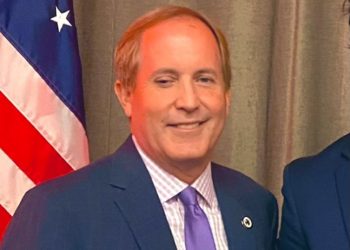
Texas – Texas Attorney General Ken Paxton announced on X that he has sued OpenAI and its CEO, Sam Altman, accusing the company of misleading users about ChatGPT’s safety and reliability and exposing Texans, including children, to potential harm. “BREAKING: I sued OpenAI and its CEO Sam Altman for lying to users and harming Texans,” Paxton wrote on Oct. 23.
According to The Texas Tribune, the lawsuit, filed in Collin County district court, alleges that OpenAI misled consumers about the risks of its artificial intelligence products and failed to provide adequate safeguards for people using ChatGPT. Paxton is bringing the case under the Texas Deceptive Trade Practices–Consumer Protection Act, the state’s consumer protection law.
The Texas attorney general’s office said OpenAI marketed ChatGPT as a safe and reliable tool while failing to adequately warn users about the possibility of inaccurate, misleading or harmful responses. Paxton argues that the company’s rapid expansion and pursuit of commercial success have taken priority over protecting users from potential risks.
“With the rapid advancement of AI technology, OpenAI has the responsibility to protect users and warn them of the many dangers of its platform,” Paxton said in the announcement. “I will fight to protect Texans from the harms of AI and ensure that powerful technology companies are not above the law.”
Paxton’s lawsuit makes a series of allegations about the potential consequences of relying on AI chatbots without sufficient safeguards. His office claims that ChatGPT can provide inaccurate information, encourage harmful behavior among vulnerable users and create risks for children who may develop unhealthy attachments to the technology. The filing also argues that users may not fully understand the limitations of the system or the risks associated with relying on its responses. These are allegations made by the state and have not been established as findings by a court.
The case seeks significant restrictions on OpenAI’s operations. According to The Texas Tribune, Paxton is asking a judge to require OpenAI to block minors from accessing its product and to subject new AI models to approval by a court-appointed third-party evaluator. The Houston Chronicle reported that the lawsuit also seeks $10,000 for each violation established in court, along with the surrender of profits the state alleges were obtained through unlawful practices.
The complaint reportedly invokes both the Texas Deceptive Trade Practices Act and the Securing Children Online through Parental Empowerment Act, a state law focused on online protections for children. Paxton alleges that OpenAI and Altman violated those laws by failing to adequately disclose risks and protect users. The court will have to determine whether the company’s conduct violated the statutes and whether the state is entitled to the remedies it is seeking.
OpenAI has pushed back against the broader suggestion that the company is ignoring safety concerns. A spokesperson told The Texas Tribune that the company has worked with experts to mitigate risks and develop additional safeguards.
“Governments have an important role to play in setting robust safety standards for AI, and we’re committed to working with Texas and other states on advancing pragmatic AI policies that apply to the entire AI industry — not just one company,” the spokesperson said.
The lawsuit is the latest in a series of legal actions Paxton has pursued against major technology companies over consumer protection and online safety. The Texas Tribune reported that his office has sued or reached settlements with companies including Meta, TikTok, Snapchat and Roblox over allegations involving protections for children and users.
The case also arrives as Paxton campaigns for a seat in the U.S. Senate. The Texas Tribune noted that Elon Musk, who co-founded OpenAI before leaving the company and later launching his own AI business, xAI, has contributed nearly $200 million to support Paxton’s Senate campaign. Musk and Altman have been involved in a separate, long-running dispute over OpenAI’s direction and structure. That political context has drawn attention to the lawsuit, although the case itself concerns the state’s allegations under Texas law.
Paxton said the state would continue pursuing technology companies it believes have failed to protect consumers. OpenAI, meanwhile, has expressed a willingness to work with state governments on AI safety standards while arguing that rules should apply across the industry rather than target a single company.
The lawsuit does not establish that OpenAI or Altman committed the alleged violations. Those claims will be addressed through the legal process, and the requested restrictions and financial remedies would require court action before they could be imposed.