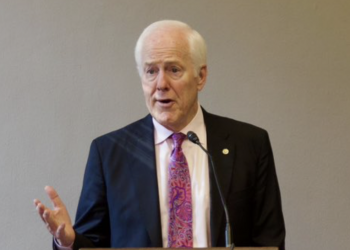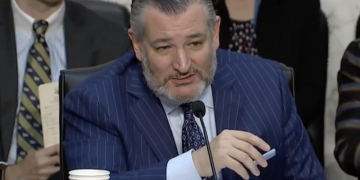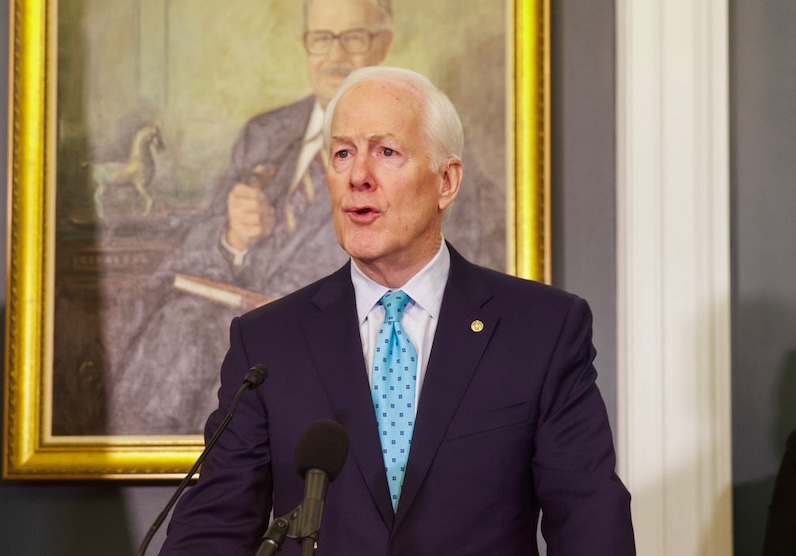
Texas – Texas Sen. John Cornyn is firing back at fellow Republican Ted Cruz after the two reportedly erupted into a heated confrontation on the Senate floor over President Donald Trump’s judicial nominee, with Cornyn mocking Cruz as a “fragile thing” while defending his decision to block the appointment. “Everyone knows that I am a notorious cusser and screamer and that Ted is a fragile thing,” Cornyn wrote on X. “But enough about us.” The senator then shifted the focus to the constitutional authority of the Senate, arguing that allowing a president to appoint someone from outside a state without consulting its senators would undermine their role in the confirmation process.
“If a President can appoint someone from another state, no Senator will have a say in their state, notwithstanding Article II, Section 2, Clause 2 of the U.S. Constitution. It is called ‘advise and consent,’” Cornyn added. The post came after Cruz publicly described an angry exchange between the two Texas Republicans over Trump’s nomination of T. Elliot Gaiser, a senior Justice Department official selected for a federal judgeship in the Northern District of Texas, which includes Dallas.
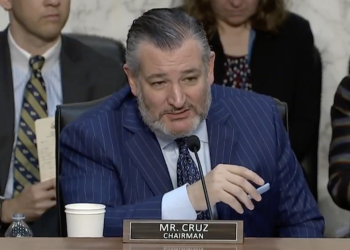
Cruz confirmed in an interview with CBS News Texas that Cornyn had shouted and cursed at him during the confrontation. “Only one of us was shouting. I was not shouting, but it is true that John Cornyn was shouting at me and cursing at me on the Senate floor,” Cruz said. According to accounts of the incident, the disagreement took place earlier in the week on the Senate floor. Cruz said he approached Cornyn and asked him to support Gaiser’s nomination, but the outgoing senator refused to back the appointment.
Cruz argued that Republicans had only a limited amount of time to confirm judicial nominees before Democrats take control of the Senate in January. He warned that blocking Gaiser could leave the Dallas-area judicial vacancy unfilled, as Democrats would likely prevent another Trump nominee from advancing once they take control.

Cornyn, however, has maintained that his opposition is based on the nominee’s background and the Senate’s constitutional responsibility to scrutinize lifetime judicial appointments.
Cornyn has repeatedly argued that Gaiser is not from Texas, has no trial-court experience and was not properly vetted for a lifetime appointment. He also objected to what he described as a lack of consultation between the White House and Texas senators before the nomination was announced.
“He’s not from Texas,” Cornyn told The Atlantic, adding that there had been no meaningful effort to work with him before the nomination moved forward. He said he had offered an alternative candidate whom he believed could be confirmed. The disagreement centers on the Senate’s so-called blue slip process, an informal practice that gives home-state senators significant influence over judicial nominations. Cornyn withheld his blue slip for Gaiser, preventing the nomination from advancing through the Senate Judiciary Committee.
The Texas Tribune reported that Gaiser previously served as Ohio’s solicitor general and later became the head of the Justice Department’s Office of Legal Counsel. He also worked as a law clerk for Supreme Court Justice Samuel Alito. Cruz supported the nomination, describing Gaiser as exceptionally well qualified and arguing that his existing government position meant his background check and paperwork were already complete. Cruz also suggested that Cornyn’s recent election defeat may have contributed to the confrontation. Cornyn lost the Republican Senate primary runoff to Texas Attorney General Ken Paxton, who subsequently lost the general election to Democrat James Talarico.
“Losing an election is hard, and people get upset about it,” Cruz told CBS News Texas, adding that he understood the frustration but believed Texans would pay the price if the judicial vacancy remained unfilled. President Trump also became involved in the dispute, criticizing Cornyn for blocking Gaiser’s nomination. The White House subsequently began considering a replacement candidate, with Reuters reporting on November 26 that the administration was moving toward Steve Fahey, a former prosecutor backed by Cornyn. The potential replacement would give the administration another chance to fill the Dallas-area vacancy before Democrats take control of the Senate.
The public exchange highlights growing tensions among Texas Republicans during the final weeks of Cornyn’s Senate tenure. While Cruz has argued that confirming Gaiser was necessary to fill a judicial vacancy before the change in Senate control, Cornyn has defended his decision as an exercise of the Senate’s constitutional responsibility to review presidential nominees.
The dispute has now moved beyond the nomination itself, with the two senators publicly trading accusations and personal remarks over a disagreement that could determine who gets appointed to a federal judgeship in North Texas.