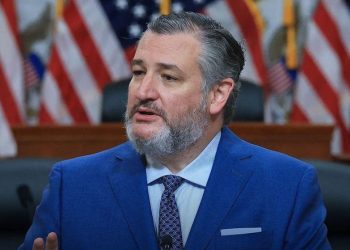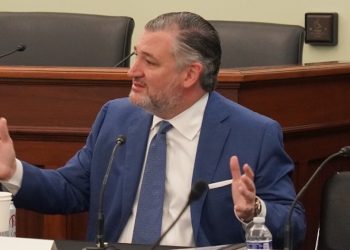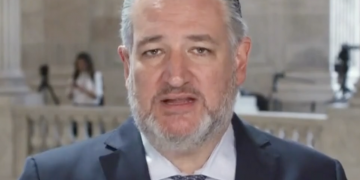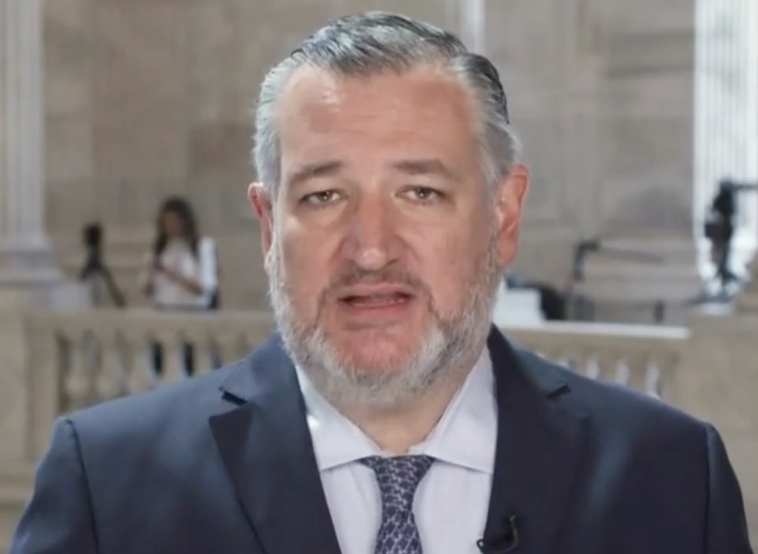
Texas – Texas Sen. Ted Cruz accused Michigan Democratic Senate candidate Abdul El-Sayed of avoiding questions about alleged family connections to the Muslim Brotherhood, arguing that his campaign was accusing political opponents of racism rather than directly addressing social media posts attributed to El-Sayed’s half-sister.
“The Muslim Brotherhood is a terrorist group. Abdul El-Sayed publicly declared he and his family had no ties to the Brotherhood. His sister allegedly wrote posts that tell a much different story. Rather than answer a simple yes-or-no question about whether she wrote them, his campaign cries ‘racism,’” Cruz wrote in an Oct. 13 post on X. The Texas Republican’s comments came after Fox News correspondent Bill Melugin reported that social media posts from 2012 and 2013 attributed to Eman Abdelhadi, El-Sayed’s half-sister, appeared to describe family connections to the Muslim Brotherhood. The controversy intensified after El-Sayed denied that he or his family had ties to the organization during an interview on NBC’s Meet the Press.
The posts and El-Sayed’s response have become a point of contention in Michigan’s U.S. Senate race, where Republican Mike Rogers and Democrat El-Sayed are competing in a closely watched contest. El-Sayed’s campaign has rejected the allegations, describing them as politically motivated attacks on his faith and family. The Washington Post reported on the posts on Oct. 11, describing statements in which Abdelhadi appeared to discuss her family’s history with the Muslim Brotherhood. In a June 24, 2012, post, she wrote that her family had “long been MB,” using an abbreviation for the organization, while expressing criticism of how it had operated politically.
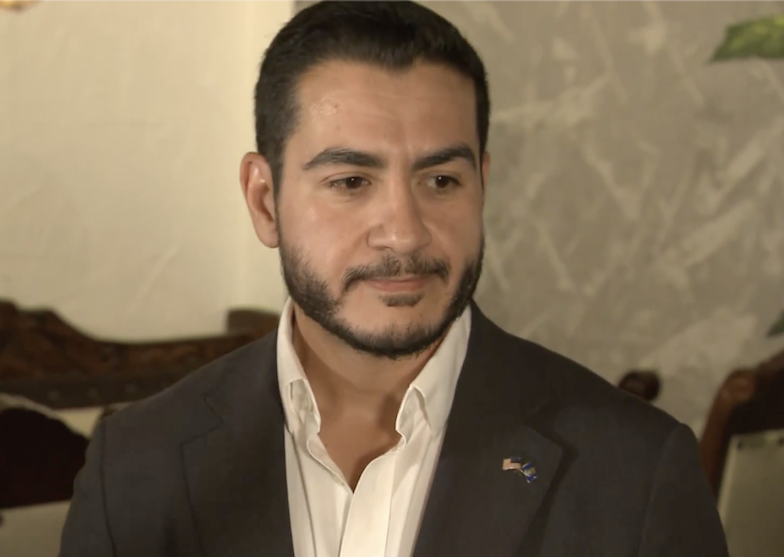
In another post dated June 27, 2012, Abdelhadi wrote about a conversation with her mother concerning her mother’s activism in the Muslim Brotherhood during the early 1970s while she was attending college in Egypt. In July 2013, she also posted about relatives who supported the organization in Egypt. Fox News subsequently reported on the controversy, with correspondent Bill Melugin questioning El-Sayed’s campaign about whether it disputed the authenticity of the posts and how they reconciled with the candidate’s public denial of family ties to the group. In a statement shared by Melugin, campaign spokesperson Roxie Richner defended El-Sayed and accused his Republican opponents of targeting his religion and family.
“Abdul is a dad and a doctor. He has spent his entire career working to keep Michiganders healthy and safe,” Richner said, adding that independent fact-checkers had repeatedly debunked what the campaign described as false attacks. The campaign also argued that Republicans were attempting to distract voters from President Donald Trump’s policies and their effects on Michigan families, particularly the cost of groceries and fuel. According to Melugin, the campaign characterized allegations that El-Sayed and his family were connected to the Muslim Brotherhood as “racist” and “untrue.” However, the response did not directly resolve the specific question of whether Abdelhadi had authored the posts attributed to her.
El-Sayed addressed the allegations during an Oct. 11 appearance on NBC’s Meet the Press, where moderator Kristen Welker asked whether he could set the record straight about claims that he or members of his family had ties to the Muslim Brotherhood. El-Sayed denied the allegations. The Washington Post reported on Oct. 15 that El-Sayed again rejected claims of family ties when questioned about his half-sister’s posts, describing the allegations as hearsay and explaining that he was not raised by his biological mother.
The dispute has since drawn further attention as El-Sayed faces questions about his family background and past statements during the campaign. Fox News reported on Oct. 15 that he was questioned again by NBC’s Tom Llamas about the social media posts and his earlier denial. El-Sayed maintained that he had not personally been involved in the activities described in the posts, saying he had never had the conversations with his mother that his half-sister referenced. The controversy has become part of a broader debate in Michigan’s Senate race over national security, religious identity and the treatment of Muslim candidates in American politics.
The Associated Press reported on Oct. 17 that the contest had become increasingly contentious amid tensions surrounding the war in Gaza and competing efforts to appeal to Jewish and Arab American voters. The report described how Republican attacks portraying El-Sayed as connected to extremism have generated criticism from Arab American leaders, who argue that political rhetoric is unfairly conflating Muslim identity with terrorism.
Cruz’s Oct. 13 post adds another prominent Republican voice to the dispute, with the senator arguing that El-Sayed’s campaign should directly address the questions surrounding the posts rather than dismissing the criticism as racism. The allegations remain disputed, with El-Sayed denying family ties to the organization and his campaign accusing Republicans of making politically motivated attacks. The controversy is likely to remain a point of scrutiny as the Michigan Senate campaign continues.