Texas – Sen. Ted Cruz defended his deputy chief counsel Erielle Azerrad after Georgetown Law’s student government condemned remarks she made during an on-campus event about the Muslim Brotherhood, accusing the law school of tolerating censorship while failing to confront what he described as evidence of terrorist ties.
“I’m proud of her for speaking the truth,” Cruz said, responding to a resolution adopted by Georgetown Law’s Student Bar Association on October 21. The resolution condemned Azerrad’s remarks at an October 20 event, describing them as Islamophobic and harmful to Muslim students and calling on the university’s administration to clarify its understanding of the event and reiterate its policy on hate speech.
Cruz rejected the student representatives’ criticism, describing them as “woke children” who expected indoctrination rather than education. He also argued that the resolution contained no facts to counter the evidence he said Azerrad had presented about the Muslim Brotherhood.
The dispute has drawn attention to a broader debate over free speech, anti-Muslim rhetoric and how universities should respond when speakers make controversial claims about religious and political organizations.
Cruz said the Muslim Brotherhood is a terrorist organization and pointed to Egypt, Saudi Arabia and the United Arab Emirates as countries that have banned, designated or restricted the group over terrorism concerns. He also cited Hamas’ relationship with the Muslim Brotherhood and the federal prosecution of the Holy Land Foundation, which he said provided $12.4 million in support to Hamas.
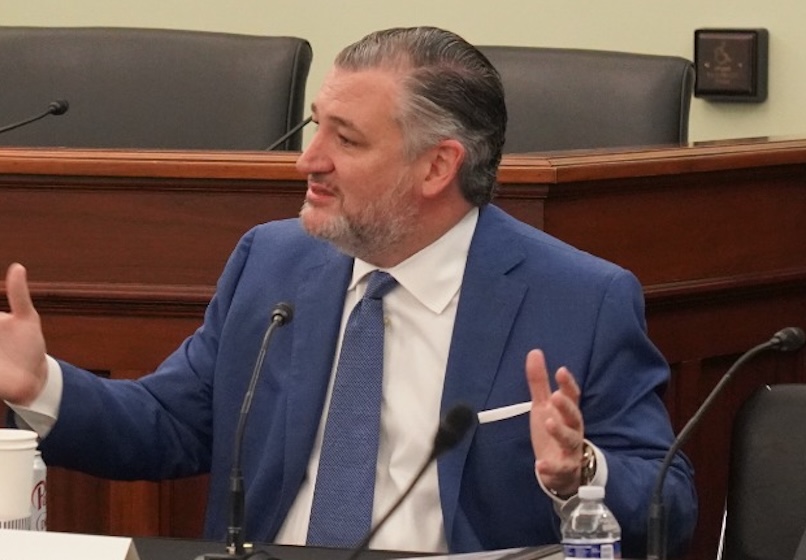
The senator referenced an August hearing he chaired on what he described as the Muslim Brotherhood’s influence in American institutions. During that hearing, witnesses discussed alleged links between the Brotherhood and various organizations in the United States, including the Council on American-Islamic Relations (CAIR).
Cruz argued that criticism of Azerrad’s remarks would not change the evidence he said had been presented, writing that labeling it “hate speech” and attempting to censor it would not change the facts. He added that neither he nor his staff would apologize for discussing the issue.
The senator also accused Georgetown Law of being too accommodating toward Qatar, writing that the university would be addressing the issue differently if it were doing its job rather than “sucking up Qatari money.” He did not provide details in the post to substantiate that specific accusation.
The Student Bar Association’s resolution took a different position, stating that the event’s remarks promoted Islamophobic beliefs and conspiracy theories and could undermine Muslim students’ sense of belonging and trust in the university. It called on Georgetown Law’s administration to clarify what it understood the event would cover and to reiterate its policy on hate speech.
Georgetown Law describes the Student Bar Association as a student body that works with the administration on campus policies and advocates for students. The resolution therefore reflects the position adopted by the student government body, rather than a formal finding by the university administration.
The controversy has also been discussed on the October 22 episode of Cruz’s Verdict podcast, which covered the Georgetown Law dispute and criticism directed at his staff member.
The clash comes amid ongoing national debate over how universities should handle controversial political speech, particularly when it involves religion, national security and allegations of extremism. Georgetown has faced other campus disputes over Islamophobic rhetoric and free expression this year, including a separate controversy involving a now-deleted social media post by Georgetown University College Republicans. That earlier case prompted discussion about the balance between protecting students from discriminatory rhetoric and maintaining an environment where controversial views can be debated.
Cruz’s latest response frames the resolution as an attempt to silence discussion of the Muslim Brotherhood, while the student government says its action was intended to condemn rhetoric it viewed as harmful to Muslim students. The disagreement has placed the event, the senator’s claims about the organization and the university’s approach to speech at the center of a growing campus controversy.