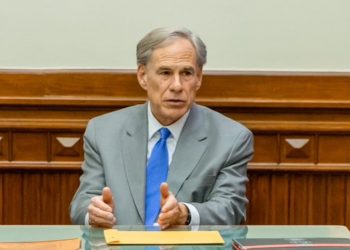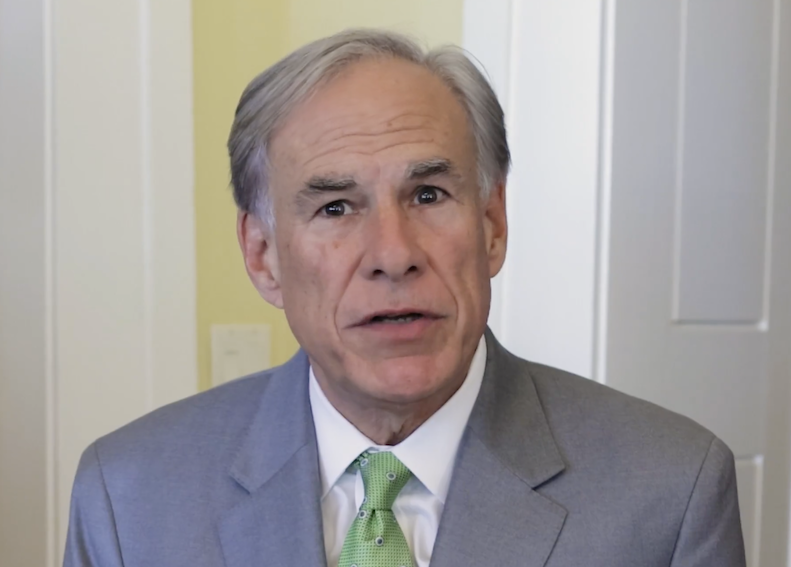
Texas – Texas Gov. Greg Abbott criticized a recent Supreme Court decision on birthright citizenship, calling it a “missed opportunity” and urging Congress to take action to redefine how U.S. citizenship is granted.
In a statement shared on social media, Abbott argued that automatic citizenship for children born in the United States to parents who are in the country illegally or temporarily has become a major factor in illegal immigration.
“Birthright citizenship has become a powerful magnet for illegal immigration that will forever change our nation if left unaddressed,” Abbott said.
He added that granting citizenship automatically in such cases was “an absurdity that was never contemplated by our Constitution nor agreed to by the American people,” and called on Congress to intervene.
“Congress must clarify that American citizenship means something and does not extend automatically to children whose parents are in this country unlawfully or temporarily,” Abbott said. “The American people and the sovereignty of our nation deserve nothing less.”
The comments came after the Supreme Court issued a ruling addressing the scope of the 14th Amendment’s Citizenship Clause, which states that all persons born or naturalized in the United States and “subject to the jurisdiction thereof” are citizens.
According to the Court’s decision, children born in the United States to parents who are unlawfully or temporarily present in the country are still considered “subject to the jurisdiction” of the United States and therefore qualify for citizenship at birth.
The ruling reaffirmed long-standing interpretations of the 14th Amendment and rejected arguments that citizenship should be limited based on the immigration status of parents.
Legal experts note that the debate over birthright citizenship has been a recurring issue in American politics, with arguments centering on constitutional interpretation, immigration enforcement, and congressional authority.
Supporters of the ruling say it preserves an established constitutional guarantee that has been recognized for more than a century, while critics argue that it encourages illegal immigration and should be addressed through legislative reform.
Abbott’s remarks align with broader Republican calls for Congress to revisit immigration and citizenship laws in response to ongoing border and immigration challenges.
The decision is expected to fuel continued political debate in Washington and state governments over the future of birthright citizenship and potential legislative changes.
As of now, no immediate congressional action has been announced in response to the ruling, though immigration policy remains a central issue in national political discussions.