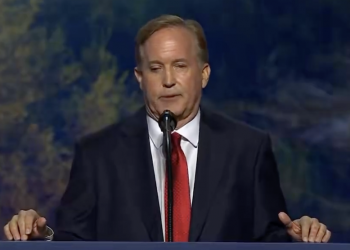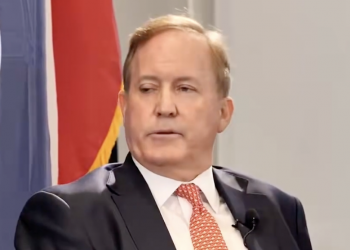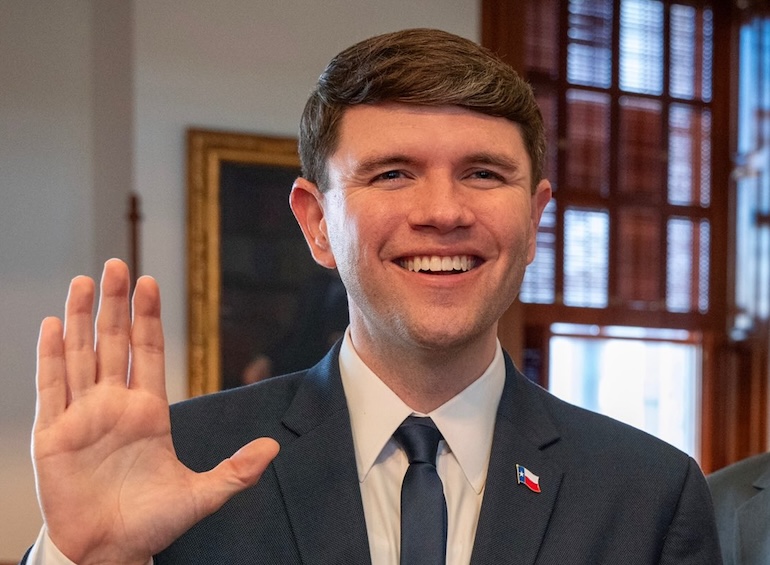
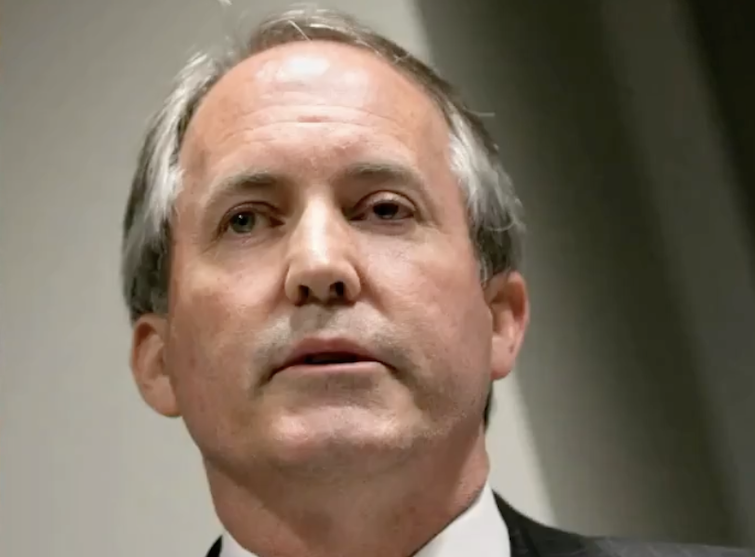
Texas – The 2026 U.S. Senate race in Texas has emerged as one of the most closely watched political contests in the country, with early polling showing Democrat James Talarico running within striking distance of Republican Attorney General Ken Paxton.
Recent polling and political analysis suggest the race is effectively a statistical dead heat, marking a significant shift in a state that has long leaned Republican in federal elections. According to multiple polling averages and statewide surveys, the margin between the two candidates has narrowed to within a few percentage points, placing the contest firmly in “toss-up” territory, per reports.
One recent Texas Politics Project survey found Paxton leading Talarico by just one percentage point, 43% to 42%, highlighting how competitive the general election has become, HC reported. The same polling data shows Talarico performing strongly among independent voters, where he holds a wide advantage over Paxton, suggesting that undecided and moderate voters could ultimately determine the outcome.
Per reports, Talarico is better positioned against Paxton in the U.S. Senate contest than Democrats Beto O’Rourke and Colin Allred were at the same point in their campaigns, according to a new poll.
Political analysts say this strength among independents is one of the key reasons Talarico has remained competitive. While Paxton maintains solid support among Republican voters following a contested primary, Talarico’s appeal to moderates has helped close the gap in recent months.
Other polling has shown similar results, with some surveys placing Talarico slightly ahead and others showing Paxton with a narrow lead, depending on turnout assumptions and voter models, The Texas Tribune reported. The back-and-forth movement underscores how volatile the race remains with several months still to go before Election Day.
The campaign has also taken on a strong national profile. A recent analysis noted that the Texas Senate race could become one of the most expensive in U.S. history, with projections suggesting hundreds of millions of dollars in spending on advertising and turnout operations alone.
Talarico, a Democratic state representative, has centered his campaign on economic issues, including housing affordability, healthcare costs, and grocery prices. His campaign strategy focuses heavily on persuading independent voters and urban turnout, especially in major metro areas.
Paxton, meanwhile, has emphasized conservative policies, border security, and alignment with Republican messaging on national issues. His campaign has also highlighted criticisms of Talarico’s past comments on religion and social issues, which have become a recurring theme in Republican messaging.
Democrats argue that the close polling reflects changing political dynamics in Texas, including population growth in urban and suburban areas and shifting attitudes among younger voters and independents. Republicans maintain that Texas remains a reliably conservative state and expect turnout advantages to favor their candidate in a general election.
Despite the competitive numbers, analysts caution that early polling does not guarantee final outcomes. Voter turnout, campaign funding, and national political conditions are expected to play major roles in determining the winner.
Still, with both candidates polling within the margin of error, the Texas Senate race is shaping up to be one of the defining political battles of the 2026 election cycle, with national implications for control of the U.S. Senate.