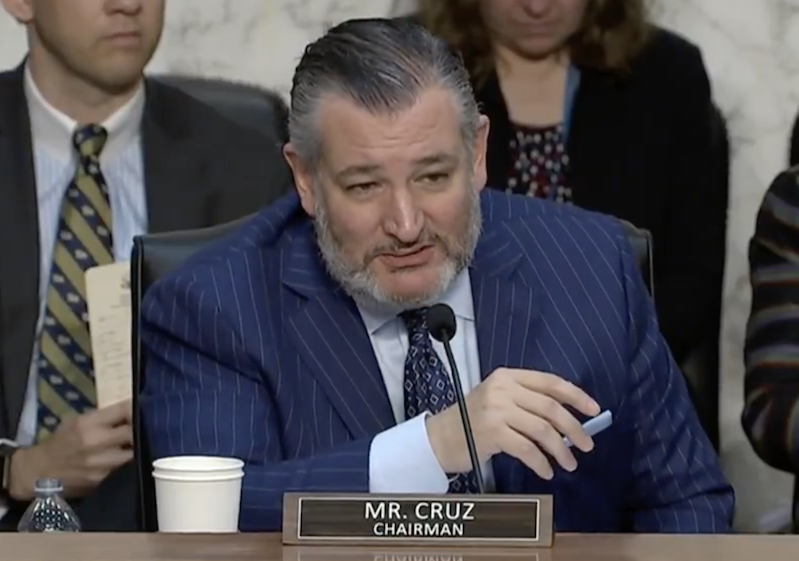
Texas – Texas Sen. Ted Cruz is warning that Michigan Democratic Senate candidate Abdul El-Sayed would pose an ‘unacceptable national security risk’ if elected, accusing him of having ties to the Muslim Brotherhood and raising concerns about his potential access to classified intelligence.
‘I believe Abdul El-Sayed is Muslim Brotherhood. He’s repeatedly defended the organization, and his own sister has acknowledged their family’s longstanding support for it,’ Cruz reportedly said. ‘Now imagine him in the U.S. Senate, with access to our most sensitive classified intelligence. That is an unacceptable national security risk.’
Cruz’s comments came as Republicans intensified their attacks on El-Sayed, the Democratic nominee challenging Republican Mike Rogers in Michigan’s closely watched U.S. Senate race. The accusations have become a major point of contention in the campaign, with El-Sayed denying any personal connection to the Muslim Brotherhood and arguing that Republicans are using his religion and family background to question his loyalty to the United States.
The Texas senator’s post echoed comments made by Health and Human Services Secretary Robert F. Kennedy Jr., who was cited in a viral social media post by conservative commentator Eric Daugherty. The post shared a video in which Kennedy discussed El-Sayed’s family and made allegations about connections to the Muslim Brotherhood.
Those claims have drawn scrutiny from news organizations covering the Michigan race, with fact-checkers noting that allegations about El-Sayed’s own ties to the organization are not established by the available evidence.
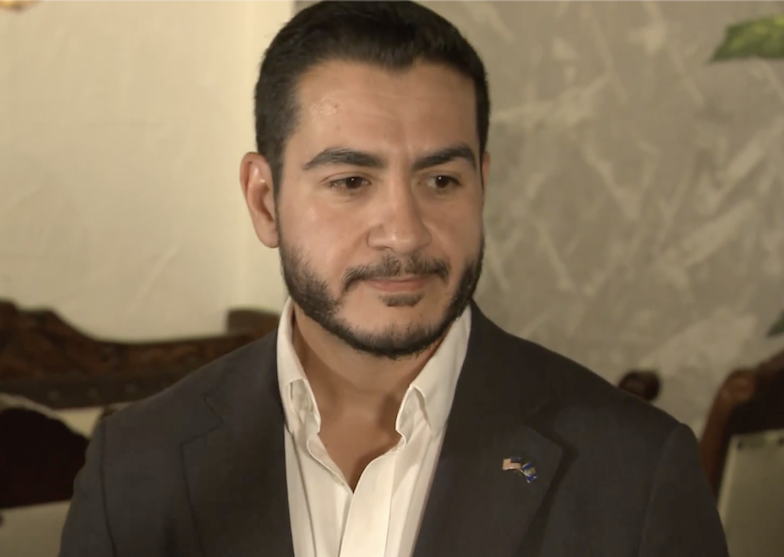
The Michigan Senate race has increasingly focused on allegations about El-Sayed’s family, his past comments about Egyptian politics and whether he has any connection to the Muslim Brotherhood. Republicans have pointed to social media posts from his half-sister, Eman Abdelhadi, who wrote in 2012 that her family had long been associated with the organization and described their mother’s activism in the group during the 1970s.
However, El-Sayed has rejected the allegations, saying he was not raised by his biological mother and has no ties to the Muslim Brotherhood. In an interview with NBC News, he dismissed the claims as ‘hearsay’ and questioned why he was being asked to account for events involving his family decades before.
The Washington Post reported on Oct. 15 that El-Sayed had again denied any personal or family ties to the group, while noting that Republicans had increasingly used the issue to portray him as an extremist.
Fact-checkers have also challenged some of the claims made during the campaign. PolitiFact reported on Oct. 19 that Rogers had said El-Sayed failed to disavow the Muslim Brotherhood during a town hall. Video of the exchange showed El-Sayed answering, ‘Sure, yeah, absolutely,’ when asked whether he would disavow the organization. He then challenged the implication that his Muslim faith meant he might have divided loyalties. PolitiFact rated Rogers’ claim false.
A separate fact-check published by Bridge Michigan found no evidence that El-Sayed had pledged support to the Muslim Brotherhood or had established ties to the organization, despite Republican claims to the contrary.
Reuters reported on Oct. 23 that Republicans, including President Donald Trump and Rogers, were escalating their attacks on El-Sayed less than two weeks before the Nov. 3 election. The news agency reported that the strategy could affect support among Jewish and Black voters in the Detroit area, although some political strategists warned that attacks could backfire if voters viewed them as anti-Muslim.
The race is for the Senate seat held by retiring Democratic Sen. Gary Peters and could play a role in determining control of the chamber. Reuters reported that the contest was considered a toss-up, with El-Sayed holding a narrow average lead in polls at the time of its report.
Cruz’s latest comments add to the national Republican effort to frame El-Sayed as a potential security concern. The senator argued that the candidate’s alleged connections would be especially troubling if he gained access to classified intelligence as a member of the Senate.
El-Sayed, meanwhile, has maintained that he has no connection to the Muslim Brotherhood and has argued that the accusations unfairly question his loyalty because of his religion and family background.