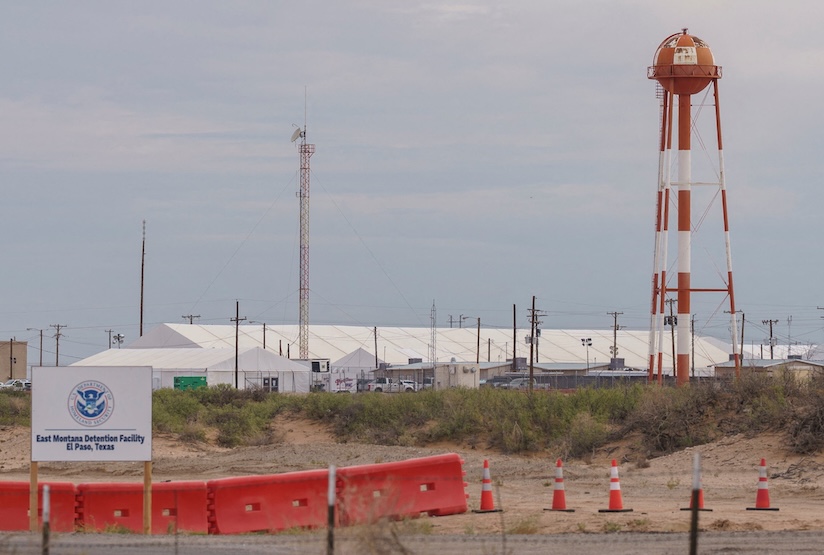
Texas – Texas authorities with U.S. Immigration and Customs Enforcement are facing renewed scrutiny after a federal inspection found dozens of violations at the largest immigration detention facility in the country, located in EI Paso. The findings, released following a three-day inspection conducted in February, detailed widespread deficiencies in how detainees are treated and how the facility operates, raising concerns among lawmakers and oversight officials about safety, medical care, and compliance with national detention standards.
According to the inspection conducted by ICE’s Office of Detention Oversight, investigators identified 49 separate violations of detention standards at the facility. These deficiencies covered multiple areas, including the use of force, security procedures, medical and mental health care, and overall detainee safety. The report indicated that some of the violations could expose detainees to harm, including improper handling of use-of-force incidents, failures in monitoring individuals at risk of self-harm, and shortcomings in responding to health concerns, officials say.
The inspection process itself involved reviewing internal records, observing facility operations, and interviewing staff and detainees over the course of several days. Investigators examined how officers documented incidents, how detainees were supervised, and whether proper protocols were followed in situations involving medical emergencies or behavioral health concerns. Officials also reviewed compliance with federal detention guidelines that are intended to ensure humane treatment and safe conditions within immigration facilities.
Among the most serious findings were issues related to the use of force and restraints, which accounted for a significant portion of the violations. Inspectors also identified problems with facility security and control, along with deficiencies in medical care, including failures to properly address infectious disease risks and ensure adequate treatment for detainees. The report highlighted concerns about suicide prevention procedures, noting that protocols were not consistently followed, which could place vulnerable detainees at risk.
Additional insight into conditions at the facility has come from emergency call records and interviews. Records obtained through public information requests show that staff at the facility placed numerous emergency calls over several months, often involving medical crises or mental health incidents. Some calls involved detainees expressing suicidal thoughts or requiring urgent medical attention, indicating ongoing challenges in managing detainee health and safety.
Witness accounts and statements gathered during the investigation described repeated issues inside the facility. Individuals reported concerns about access to medical care, delays in treatment, and conditions that contributed to physical and emotional distress. Lawmakers who have visited the facility also raised concerns after observing conditions firsthand, citing reports of unsanitary environments, spoiled food, and inadequate healthcare services.
The facility, which opened in 2025 and has the capacity to hold thousands of detainees, has already faced scrutiny due to prior incidents, including detainee deaths and reports of overcrowding. At least several deaths have been reported since the facility began operations, further intensifying concerns about whether proper standards are being maintained.
In response to the findings, ICE officials have stated that steps are being taken to address the deficiencies identified during the inspection. The agency has acknowledged the issues and indicated that corrective actions are underway to improve conditions and ensure compliance with federal standards. Despite the number and severity of violations, the facility was still rated as “acceptable” or “adequate” under ICE’s internal evaluation system, a classification that has drawn criticism from some officials and advocates.
The investigation remains ongoing as oversight bodies continue to monitor conditions at the facility and evaluate whether the corrective measures are effective. Lawmakers and advocacy groups have called for continued review and accountability, emphasizing the need for improved oversight to ensure detainees are treated in accordance with federal standards.