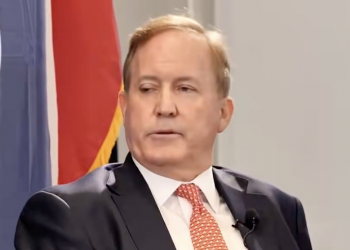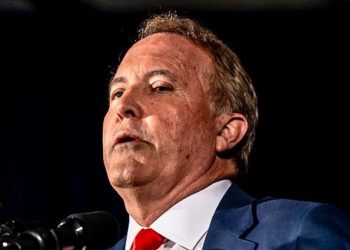
Texas – “Unbelievable. Even the New York Times is reporting this,” Texas Sen. Ted Cruz said, reacting to a report that operatives aligned with Democratic Senate candidate Mary Peltola participated in an effort to recruit candidates who could draw votes away from Republican Sen. Dan Sullivan in Alaska.
Cruz accused Peltola’s team of searching Alaska’s voter rolls for people named Dan Sullivan and recruiting one to run against the incumbent, arguing that the move was intended to confuse voters. He called on Alaskans to elect the “REAL Dan Sullivan” as the state’s closely watched Senate race becomes a national political flashpoint.
The controversy stems from a New York Times investigation published October 28 that detailed an alleged effort involving people connected to Peltola’s campaign, campaign attorneys and senior officials with the Democratic Senatorial Campaign Committee (DSCC), the national Democratic Party organization responsible for Senate campaigns. The report said the effort aimed to recruit candidates who could divide Republican support and improve Peltola’s chances of defeating Sullivan.
Reuters reported on the investigation, which has intensified the political dispute surrounding one of the key Senate contests ahead of the November 3 midterm elections.
According to the New York Times, the effort began in the summer of 2025, when a Peltola campaign staffer was allegedly instructed by senior aides to search voter records for people named Dan Sullivan. The goal was to identify someone who could enter the Senate race under the same name as the Republican incumbent.
The report said the effort eventually led to the candidacy of Dan J. Sullivan, a retired teacher from Petersburg, a small community in Alaska’s Panhandle. He is running against Sen. Dan S. Sullivan, creating the possibility that voters could confuse the two candidates when casting their ballots.

The investigation, based on interviews, text messages and documents, described a broader operation that allegedly involved discussions about recruiting additional candidates who could affect the outcome of the race. It also reported that campaign personnel and Democratic Senate committee officials communicated about the project over a period of months.
The report also described the involvement of Democratic operative Jerid Kurtz, who was allegedly introduced to members of the effort as someone experienced in ballot-related political tactics. Former Peltola campaign manager Elisa Rios told the Times that Kurtz had made contact with the Petersburg candidate and described him as potentially willing to run if doing so would help Peltola.
Rios said Peltola was not directly involved in the project but was “definitely aware,” according to the report. The Times said its findings were supported by interviews with people familiar with the operation and messages exchanged among campaign and committee personnel.
The allegations have been disputed. Peltola’s campaign denied involvement in recruiting either Sullivan, telling the Times that the campaign had no involvement with the two Sullivan campaigns and had not recruited candidates into the race. The DSCC also denied involvement in recruiting Dan J. Sullivan or any other Republican candidate. The Petersburg candidate has maintained that he entered the race on his own, according to reporting by the Times and other outlets.
The controversy is particularly significant because Alaska’s election system allows the four candidates who advance from the nonpartisan primary to compete in the general election, regardless of party affiliation. The November 3 ballot is expected to include Peltola, the two candidates named Dan Sullivan, and Gerald Heikes, a Republican candidate who was also reportedly recruited as part of the alleged effort. The system creates the possibility that voters could select the wrong candidate if they mistake one Sullivan for the other.
The investigation has also prompted a legal dispute. Reuters reported that the U.S. Justice Department filed a lawsuit seeking to prevent certification of Alaska’s election results if votes for the second Dan Sullivan cause the Republican incumbent to lose. Peltola’s lawyers have asked a judge to dismiss the lawsuit, according to Reuters. Alaska Gov. Mike Dunleavy has also called for a state investigation into possible legal violations surrounding the alleged operation.
The New York Times report noted that efforts to influence the makeup of ballots are not exclusive to Democrats, describing previous instances in which Republicans also backed candidates in Alaska races to affect the outcome. The latest allegations, however, have drawn particular attention because the Senate contest could help determine which party controls the chamber after the midterms.
Republicans currently hold a 53–47 Senate majority, and Democrats need to gain four seats to take control. That has made Alaska an important battleground, with the race between Peltola and Sullivan drawing national attention.
Cruz’s response places the Texas senator among Republicans using the report to criticize the Democratic campaign and emphasize the potential consequences for Senate control. His call to elect the “REAL Dan Sullivan” reflects the central concern raised by the investigation: whether the presence of a second candidate with the same name could divert votes from the incumbent.
The allegations remain contested, with Peltola’s campaign and the DSCC denying involvement in recruiting candidates. The reporting has nevertheless intensified scrutiny of campaign tactics and the role of outside political operatives in a race that could have implications well beyond Alaska.