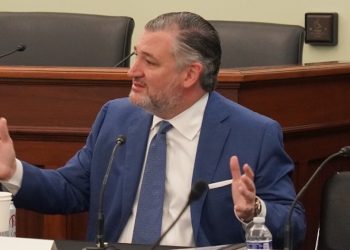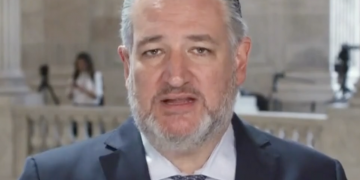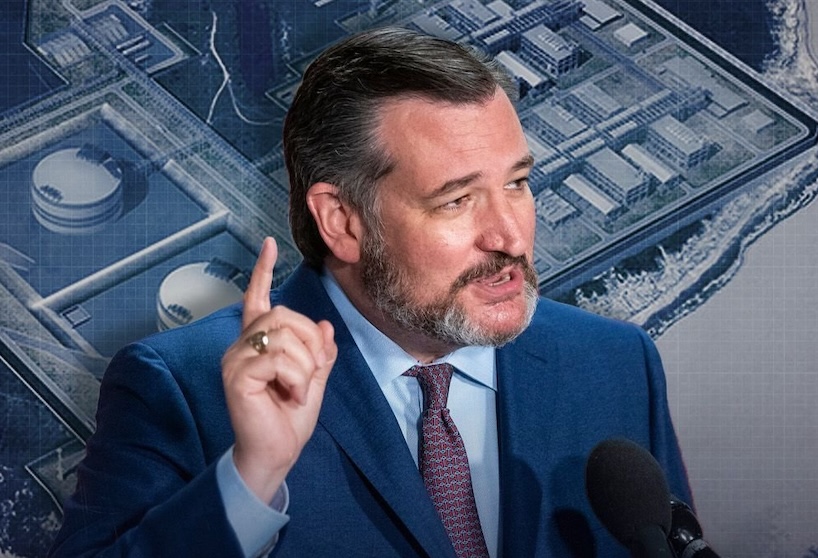
Texas – U.S. Sen. Ted Cruz of Texas has called on Republican lawmakers to take a more aggressive approach in upcoming federal budget negotiations, arguing that the party may not have another opportunity to pass major policy priorities if Democrats gain additional power in Washington. His comments, delivered through recent public statements and a podcast discussion of a closed-door GOP meeting, have added to growing partisan tensions over immigration, taxation, and federal spending priorities.
Cruz urged Republicans to “swing for the fences” in the next budget reconciliation package, emphasizing that the legislative window for passing major GOP priorities may be closing. According to Cruz, Republicans should act decisively while they still have the ability to pass legislation through a simple Senate majority under the reconciliation process, which bypasses the typical 60-vote threshold.
“This is the last meaningful chance we will have to pass Republican priorities,” Cruz said, describing his message to fellow Republican senators during internal discussions on Capitol Hill. His comments reflect concern among some GOP lawmakers that Democrats could gain control of one or both chambers of Congress in upcoming elections, significantly limiting Republican influence over federal policy.
A key focus of Cruz’s proposal is immigration enforcement funding. He has advocated for a long-term budget package that would significantly increase funding for U.S. Immigration and Customs Enforcement (ICE) and Customs and Border Protection (CBP), suggesting a 10-year funding framework that would raise enforcement resources by approximately 10 percent. Supporters argue that such funding is necessary to strengthen border security and address ongoing migration challenges.
However, critics say Cruz’s approach prioritizes partisan goals over bipartisan cooperation. Democratic lawmakers and policy analysts have argued that bundling immigration enforcement increases with broader tax cuts and education-related provisions could make negotiations more difficult and deepen political division in Congress. They say the strategy risks turning must-pass budget legislation into a vehicle for highly partisan policy changes.
Cruz has also pushed for additional Republican priorities beyond immigration funding. These include expanded tax cuts and increased support for school choice programs, including funding mechanisms that would allow families to use public dollars for private education options. He has argued that combining these policies into a single reconciliation package would allow Republicans to secure long-term legislative wins that could be used in future election campaigns.
“Do we swing for the fences and get victories, economic victories we can campaign on and win elections in November? Or do we play small ball?” Cruz said, framing the debate as a strategic choice between bold legislative action and more limited incremental policy changes.
The proposal comes as House and Senate Republicans face internal disagreements over how expansive the budget package should be. Senate Majority Leader John Thune has reportedly supported a narrower approach focused primarily on short-term funding for immigration enforcement agencies such as ICE and Border Patrol, potentially limiting the scope of additional policy add-ons.
Cruz, however, has pushed back against that approach, arguing that Republicans should take advantage of reconciliation rules while they still control enough congressional power to pass significant legislation without Democratic support. He has also indicated that he intends to present his proposal directly to President Donald Trump, suggesting the White House’s position could play a decisive role in shaping the final GOP strategy.
Cruz also pointed back to a similar proposal he made in 2018, when Republicans controlled the House, Senate, and White House but were heading into a midterm election cycle that ultimately cost them congressional control. He said his earlier idea to pursue a more expansive legislative package was dismissed at the time, and he has warned that Republicans should avoid repeating what he views as a missed opportunity to advance major policy priorities when political conditions allowed it.
The White House has not publicly endorsed Cruz’s broader proposal, according to reporting from Capitol Hill discussions. That uncertainty highlights ongoing divisions within the Republican Party over how far to go in using reconciliation to advance policy goals tied to immigration enforcement, taxation, and education reform.
Cruz’s remarks also come against the backdrop of heightened political polarization in Washington, where both parties are preparing for a highly competitive election cycle. Democrats have criticized the Republican strategy as overly partisan, arguing that it risks stalling negotiations on essential government funding and could lead to further instability in federal budgeting processes.
As budget negotiations continue, Cruz’s call for a more expansive legislative package underscores a broader Republican debate over strategy: whether to pursue sweeping policy changes while opportunities exist, or to adopt a more limited approach in an increasingly divided Congress. The outcome of that debate is likely to shape not only the immediate budget process, but also the political messaging heading into the next national elections.