Texas – A recent U.S. Supreme Court decision striking down federal limits on coordinated campaign spending between political parties and candidates has triggered major political consequences in Texas, where the 2026 U.S. Senate race between Republican Ken Paxton and Democrat James Talarico is already shaping up to be one of the most closely watched contests in the country.
The ruling, issued on June 30, 2026 in a 6–3 decision, removed long-standing restrictions that previously capped how much national party committees could spend in coordination with their candidates. According to multiple reports, the Court found that the limits violated First Amendment protections, effectively allowing political parties and their candidates to coordinate unlimited spending on campaign activities such as advertising and voter outreach, Reuters reported.
The decision overturns decades of precedent in campaign finance law and has been described by political analysts as one of the most significant changes since Citizens United v. FEC in 2010. Legal experts noted that the ruling could shift billions of dollars in political spending closer to official party structures, rather than independent political action committees.
Major impact in Texas Senate race
In Texas, the ruling is already being viewed as a potential game changer in the Senate contest between Ken Paxton and James Talarico. Under the previous system, coordinated spending between parties and candidates was limited by federal caps. Those restrictions are now gone, meaning national party organizations can directly fund and coordinate large-scale advertising and campaign strategy with their preferred candidates.
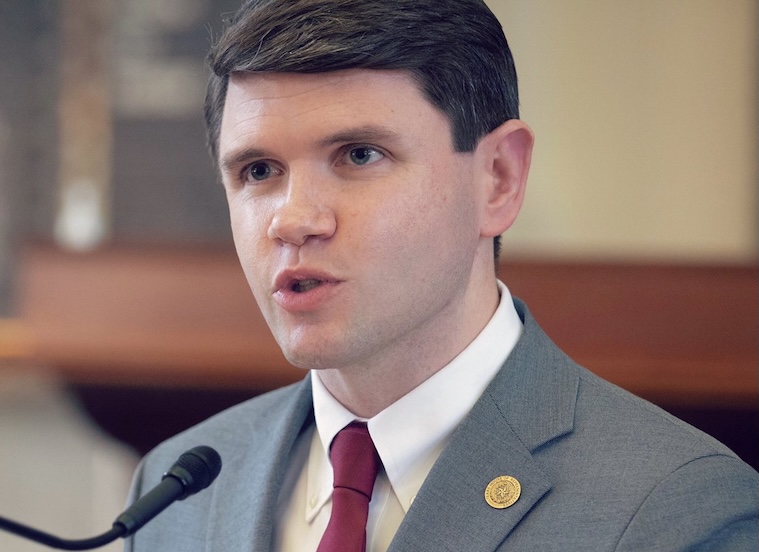
Republican strategists are expected to benefit significantly from the change. Reports indicate that the Republican National Committee and allied groups hold a substantial financial advantage over Democrats, giving Paxton access to a much larger pool of coordinated campaign resources. This could allow his campaign to expand television advertising, digital outreach, and field operations with greater efficiency than before, The Texas Tribune reported.
One analysis of the ruling described it as potentially allowing Republicans to deploy a “war chest advantage” through coordinated spending that can dramatically increase campaign efficiency and lower advertising costs.
At the same time, Democratic strategists have warned that the decision could erase fundraising advantages built through grassroots donor networks. Talarico’s campaign, which has relied heavily on small-dollar donations and online fundraising momentum, could now face a more difficult financial environment if Republican-aligned party committees fully leverage their new spending power, according to Axios.
Broader legal and political debate
Supporters of the ruling argue it strengthens free speech protections and allows political parties to better support their nominees. Justice Brett Kavanaugh, writing for the majority, emphasized that political spending is a form of protected expression and that coordination between parties and candidates should not be artificially limited.
Opponents, including dissenting justices, warned that the decision could increase the influence of wealthy donors and weaken safeguards against corruption. Critics argue that removing coordination limits allows large financial interests to funnel unlimited money into campaigns through party structures rather than independent committees.
The ruling also revisits long-standing debates in campaign finance law that trace back to earlier Supreme Court decisions such as Buckley v. Valeo and Citizens United, both of which significantly shaped modern election spending rules.
What comes next
With the Texas Senate race already expected to be one of the most competitive in the 2026 cycle, the new ruling is likely to intensify fundraising battles and increase national attention on the contest. Analysts say the change could shift not only how campaigns are financed, but also how aggressively outside groups and party organizations engage in state-level races.
As Paxton and Talarico continue their campaigns, both sides are preparing for a dramatically altered financial landscape that may redefine how political power is exercised in Texas and across the country.