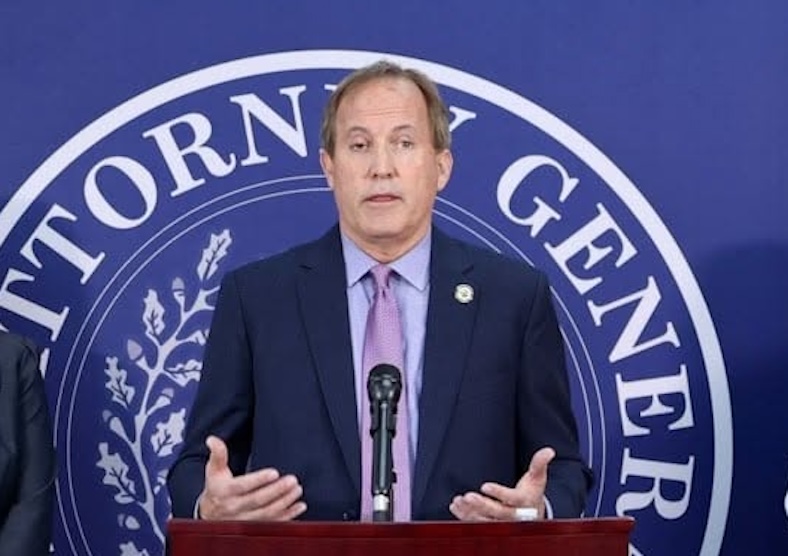
Texas – Texas Attorney General Ken Paxton announced an investigation into LinkedIn over allegations that the professional networking platform advertised and profited from fake or misleading job opportunities, commonly referred to as “ghost jobs.”
Paxton’s office said the investigation will examine whether LinkedIn misled Texas consumers by promoting job listings that may not represent real hiring opportunities, particularly for users who pay for the platform’s Premium subscription services.
“I will use every resource available to my office to help job-seeking Texans find and secure real employment opportunities,” Paxton said. “LinkedIn has a duty to provide the services it advertises and ensure that consumers paying for Premium subscriptions are receiving access to legitimate job postings.”
The attorney general said the investigation will focus on whether LinkedIn made misleading claims about the value of its job marketplace while allowing listings that were inactive, unfilled, or not tied to employers actively seeking workers.
LinkedIn is one of the world’s largest professional networking platforms, with more than one billion registered users worldwide and a large user base in Texas. The company offers paid subscription services, including LinkedIn Premium Career and Premium Business, which are marketed to job seekers and professionals looking for career opportunities.
According to Paxton’s office, Texas consumers who subscribe to LinkedIn Premium pay approximately $39.99 per month for Premium Career and $69.99 per month for Premium Business. The investigation will examine whether users received the services they expected when paying for access to the platform’s job search tools.
A “ghost job” generally refers to a job posting that does not correspond to an actual open position or a role that an employer is not actively trying to fill. Paxton’s office cited studies estimating that ghost jobs may make up a significant portion of online job listings.
The investigation will also look into LinkedIn’s job posting practices, including whether the company independently verifies the status of job listings and whether consumers are informed that some postings may not represent active hiring opportunities.
Paxton’s office said it has issued a Civil Investigative Demand to LinkedIn seeking documents, data, and internal communications related to the company’s advertising, marketing practices, verification procedures, and representations regarding Premium subscription services.
The investigation comes as job seekers increasingly rely on online platforms to find employment opportunities. Paid career services have become a major part of the digital job market, with companies offering tools intended to help users connect with employers, improve visibility, and identify potential openings.
Paxton said his office will continue examining whether LinkedIn’s practices comply with Texas consumer protection laws.
“LinkedIn has a duty to provide the services it advertises,” Paxton said, adding that his office is investigating whether the company misled Texans by promoting and profiting from job listings that may not reflect genuine employment opportunities.
LinkedIn has not publicly responded to the investigation. The attorney general’s inquiry remains ongoing as officials review the company’s practices and gather additional information.