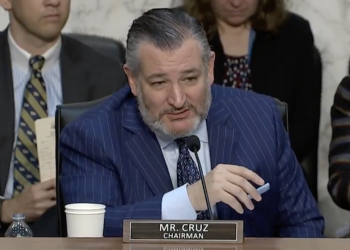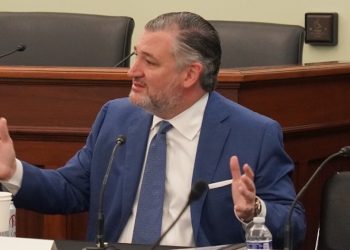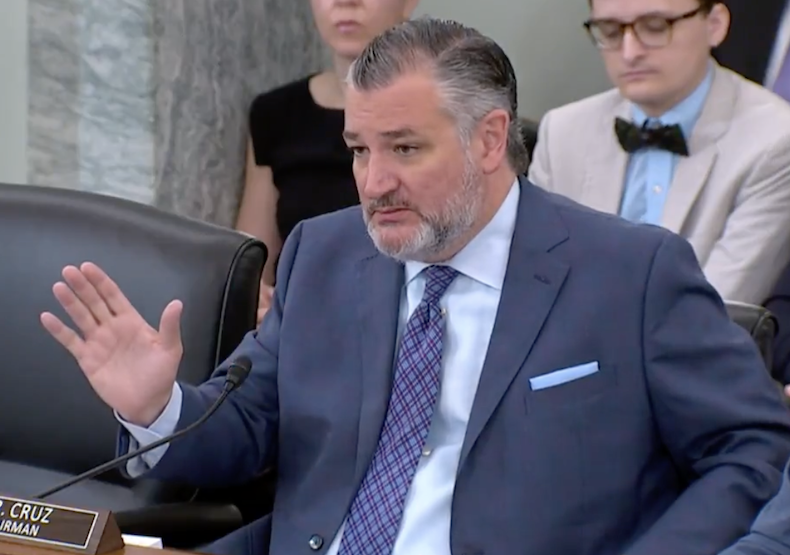
Texas – “‘This is happening in our backyard,’ Sen. Ted Cruz said as he attacked Democratic Michigan Senate candidate Abdul El-Sayed over campaign contributions from donors connected to the Council on American-Islamic Relations, or CAIR, and raised questions about El-Sayed’s family and organizational ties.
Cruz’s comments came after Republican Senate candidate Mike Rogers accused El-Sayed of accepting “hundreds of thousands of dollars from people tied to designated terrorist groups” and called the donations disqualifying for someone seeking a U.S. Senate seat.
Cruz cited a report that found El-Sayed’s campaign received more than $115,000 from individuals who work for or have held leadership positions with CAIR. Fox News reported in August that its review of federal campaign finance records identified at least 41 donors connected to CAIR who contributed to El-Sayed’s campaign. The donors included current and former employees as well as members of CAIR leadership.
“El-Sayed received more than $115,000 from donors tied to CAIR, which was named in the Holy Land Foundation Hamas-financing case,” Cruz wrote.
Cruz also pointed to El-Sayed’s family connections, saying his father-in-law serves on the founders committee of the Islamic Society of North America, or ISNA, and previously served as president of CAIR-Michigan.
“His father-in-law serves on ISNA’s Founders Committee and served as president of CAIR-Michigan—organizations I exposed at my Senate hearing as part of a decades-long Muslim Brotherhood project to influence American politics from within,” Cruz said.
The comments add another layer to an increasingly contentious Michigan Senate race between El-Sayed and Rogers, a former congressman and FBI agent who is seeking the Republican nomination for the open Senate seat.
The dispute over CAIR-related donations is not new. Fox News first reported in August that El-Sayed’s campaign had received more than $115,000 from 41 individuals connected to CAIR. The report identified several senior CAIR figures among the donors, including national board chair Manal Fakhoury, national board treasurer Eyas Abdeen and national vice chair Emad Sabbah.
The reporting also identified Jukaku Tayeb, El-Sayed’s father-in-law and a CAIR-Michigan board member, among those connected to the campaign. Tayeb was also described as a member of the founders committee of ISNA.
CAIR has disputed accusations that the organization has ties to terrorism. In response to the Fox News report, the organization pointed to statements condemning terrorism and Hamas and said it has repeatedly rejected allegations that it supports terrorist organizations. Fox News also noted that CAIR was named by federal prosecutors in 2007 as an unindicted co-conspirator in the Holy Land Foundation terrorism-financing case, but was never charged with a crime.
The distinction has become an important part of the political debate. Republicans have cited CAIR’s history and its inclusion in the Holy Land Foundation case when attacking El-Sayed, while CAIR has denied the allegations and defended its record.
Rogers has taken an even more direct approach in attacking his Democratic opponent.
“Conman Abdul El-Sayed has taken hundreds of thousands of dollars from people tied to designated terrorist groups,” Rogers wrote Sept. 15. “That’s totally disqualifying for anyone running to be a United States Senator.”
Rogers’ comments followed renewed Republican scrutiny of El-Sayed’s political associations and fundraising network. Breitbart also reported that Rogers was calling on El-Sayed to return donations connected to organizations and individuals that Republicans have linked to terrorism or extremist causes.
The CAIR controversy comes as El-Sayed faces broader Republican attacks over his political history, comments about the Middle East and relationships with progressive activists and organizations.
The Michigan Senate race has already been shaped by disputes over El-Sayed’s comments concerning the Sept. 11 attacks and his association with online commentator Hasan Piker. Rogers has repeatedly used those issues to question El-Sayed’s views on national security and U.S. foreign policy. The Wall Street Journal reported that Rogers made those criticisms at the Republican midterm convention in Dallas, where he attacked El-Sayed’s association with Piker over controversial remarks about 9/11.
El-Sayed has rejected the suggestion that he supports the views attributed to Piker and has criticized Piker’s remarks. Other reporting has also noted that El-Sayed himself has described the Sept. 11 attacks as a terrorist act and has rejected the idea that the attacks were justified.
The latest dispute instead focuses on campaign financing and whether donations from people affiliated with CAIR should be viewed as evidence of problematic political ties.
Cruz framed the issue as a national security question, arguing that Michigan voters should choose a senator who puts their security first rather than one whose campaign receives financial support from people Cruz says are connected to organizations he views as part of a broader influence network.
“This is happening in our backyard,” Cruz wrote, emphasizing that he believes the issue extends beyond Michigan and into a broader national debate over foreign influence, political fundraising and organizations connected to Muslim-American political activism.
The controversy is likely to remain part of the Michigan Senate campaign as Republicans continue scrutinizing El-Sayed’s donors, family connections and political associations. For El-Sayed, the debate comes as his campaign attempts to define its economic and domestic-policy agenda while facing sustained Republican criticism over national security, the Middle East and his relationships with progressive and Muslim advocacy groups.”