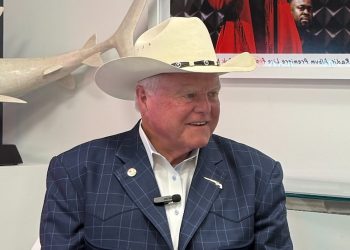
Texas – Texas Agriculture Commissioner Sid Miller welcomed the decision to resume limited cattle imports from Mexico but argued that federal officials should have acted sooner, saying the prolonged border closure had already caused significant harm to ranchers and the U.S. cattle industry.
“Resuming cattle importation from Mexico is the right move for ranchers and American consumers, but it’s a decision that should have been made sooner,” Miller said in a statement. He added that while he was pleased to see the important trade relationship restored, the extended suspension had disrupted supply chains, created uncertainty, and placed additional strain on livestock producers.
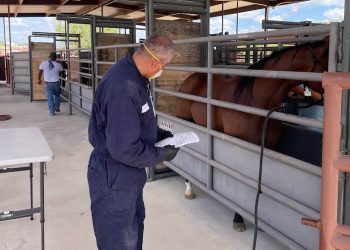
The announcement follows the U.S. Department of Agriculture’s decision to begin a phased reopening of cattle imports from Mexico after months of restrictions tied to concerns over the spread of the New World screwworm. The parasitic pest poses a serious threat to livestock because its larvae feed on living tissue, potentially causing severe injury or death if left untreated.
According to the USDA, the reopening will occur in stages, with designated border ports reopening as officials continue monitoring animal health conditions and implementing biosecurity measures. The agency has said the phased approach is intended to balance the need to protect American livestock while restoring an important agricultural trade route. Earlier this year, the USDA suspended cattle imports after the New World screwworm was detected in southern Mexico, raising concerns that the pest could spread northward if additional safeguards were not implemented.
Miller said the reopening follows last week’s binational New World Screwworm Summit, which he hosted with partners from Mexico, Texas, and New Mexico. The meeting brought together officials and agricultural leaders from both sides of the border to discuss strategies for protecting livestock while maintaining agricultural trade.
According to Miller, participants at the summit agreed that science-based decision-making, cross-border cooperation, and proven biosecurity measures represent the most effective way to address the screwworm threat without placing unnecessary burdens on cattle producers.
The commissioner also thanked U.S. Agriculture Secretary Brooke Rollins for responding to his calls to reopen the border for cattle imports, saying the decision was an important step toward restoring confidence within the livestock industry.
Despite welcoming the policy change, Miller argued that the federal government’s response to the New World screwworm outbreak has been too slow.
“USDA’s current approach to the New World screwworm threat has not gone far enough,” Miller said. He acknowledged that federal officials have taken important steps but argued that the overall pace and scale of the response have failed to match the seriousness of the threat.
Miller contended that the USDA had spent more than a year reacting to the problem instead of taking aggressive preventive action, adding that ranchers have borne the economic consequences of those delays. He warned that the livestock industry cannot rely on what he described as “half-measures” when billions of dollars in agricultural production are at stake.
The New World screwworm was eradicated from the United States decades ago through an extensive sterile fly release program, but occasional detections in Central America and Mexico continue to prompt monitoring and prevention efforts. Federal and state officials have emphasized that preventing the parasite from reaching U.S. livestock remains a top priority because an outbreak could have significant economic and animal health consequences.
Miller said reopening the border is an important milestone but stressed that more work remains.
“This reopening is welcome news, but it’s not the finish line,” he said. “We need a sustained commitment to aggressive use of every proven eradication tool. We must protect American livestock and ensure our ranchers never have to endure this kind of disruption again.”