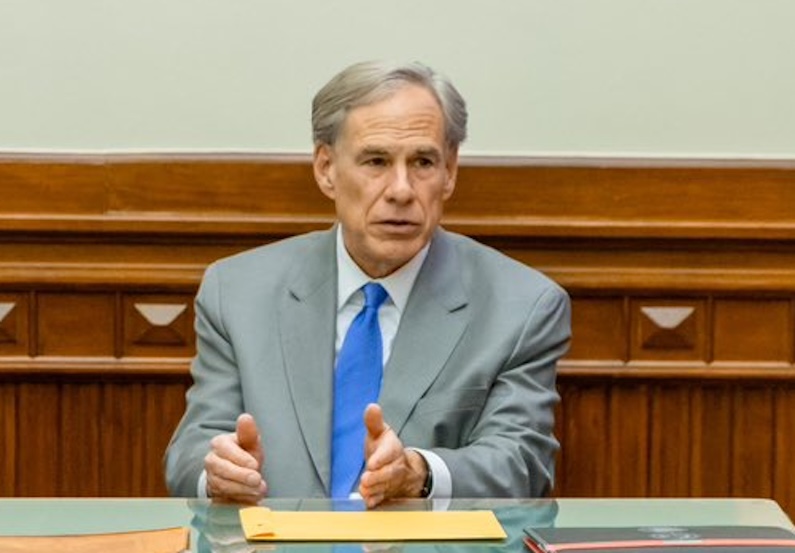
Texas – Texas Governor Greg Abbott has continued an aggressive push to pressure major cities in the state to fully comply with federal immigration enforcement policies, threatening to cut hundreds of millions of dollars in public safety funding if local governments do not adjust their rules on cooperation with U.S. Immigration and Customs Enforcement (ICE).
The conflict centers on whether cities such as Houston, Dallas, and Austin can maintain local policies that limit how far police officers go in assisting ICE during routine encounters, particularly when civil immigration detainers or administrative warrants are involved. Abbott’s administration has argued these policies violate state law and restrict cooperation with federal immigration authorities.
According to reporting from multiple outlets, Abbott has warned that more than $200 million in state public safety grants could be withdrawn if cities refuse to revise their policies. The governor’s office has stated that local rules preventing officers from prolonging detentions or notifying ICE in certain cases amount to obstruction of immigration enforcement.
The dispute intensified after Abbott sent formal warning letters to city leaders in April 2026, giving them deadlines to reverse their policies or risk losing state funding. In Houston alone, the potential losses have been described as the largest, with city officials initially facing over $100 million in at-risk public safety support.
State officials have linked the enforcement push to Texas Senate Bill 4, a law that prohibits local governments from adopting policies that “materially limit” cooperation with federal immigration enforcement. Attorney General Ken Paxton’s office has also been involved in reviewing city policies for compliance.
Cities, however, have argued that their rules are designed to protect constitutional rights and ensure police resources are focused on criminal enforcement rather than civil immigration matters. Civil rights groups have supported this position, saying that prolonged detentions based solely on ICE administrative requests raise legal concerns under the Fourth Amendment.
Despite resistance from some local leaders, Abbott’s strategy has already produced rapid policy changes in several cities. Dallas Police Chief Daniel Comeaux publicly stated that the department would comply with the governor’s directives to avoid losing funding, emphasizing that officers are “not immigration agents,” even while acknowledging the need to follow state requirements.
Houston and Austin have also been forced to revisit or amend their policies after the funding threats. In Houston, city leaders reversed portions of their ordinance limiting ICE cooperation following warnings that noncompliance could jeopardize tens of millions in state grants. Similar revisions occurred in Austin after legal pressure from the state government.
The funding threats are not new in Texas politics, but analysts note that Abbott has increased their frequency and scale. Recent reporting shows the governor has repeatedly used public safety grants as leverage, not only in immigration disputes but also in cultural and policy disagreements with cities.
Supporters of Abbott’s approach argue that uniform cooperation with ICE is necessary to enforce federal immigration law and maintain public safety. They claim inconsistent local policies create confusion among law enforcement agencies and weaken border security efforts.
Critics, however, describe the tactic as political pressure that undermines local control. They argue that tying essential public safety funding to immigration enforcement compliance forces cities into legal and ethical conflicts, especially in diverse urban areas where immigrant communities are significant.
The broader political backdrop includes ongoing national debates over immigration enforcement and increased federal-state coordination efforts. Texas, as a border state, has become one of the central battlegrounds for these policy disputes, with state leaders pushing stricter enforcement frameworks while city governments attempt to balance local policing priorities.
As of this week, the funding dispute remains unresolved, but cities are increasingly signaling compliance to avoid financial penalties. The situation continues to evolve as Texas officials maintain pressure on municipalities to fully align with state-directed ICE cooperation policies.