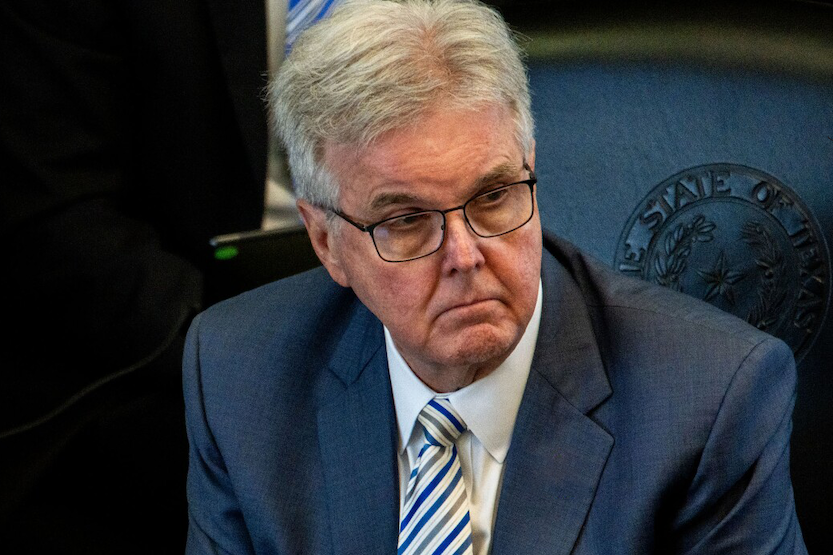
Texas – Texas Lt. Gov. Dan Patrick recently warned that Republicans could face serious political consequences in the upcoming midterm elections, raising concerns that internal divisions within the party may jeopardize their long-held control of the Texas House.
Speaking in early April, Patrick said Republicans are “going to have a tough time” maintaining their majority, signaling growing unease within the party as the 2026 elections approach. His comments reflected broader concerns among GOP leaders that political infighting, particularly in high-profile races, could weaken voter turnout and unity at a critical moment.
Republicans have controlled the Texas House since 2003 and currently hold an 88–62 majority. To take control, Democrats would need to flip at least 14 seats, a challenging goal, though recent political trends have suggested it may not be impossible. All 150 seats in the chamber are up for election in November 2026, making the stakes especially high for both parties.
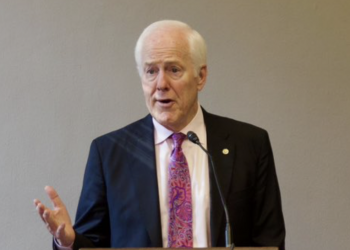
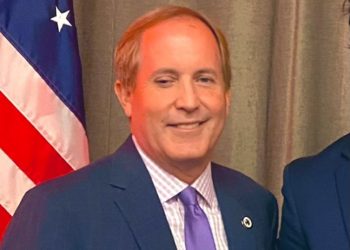
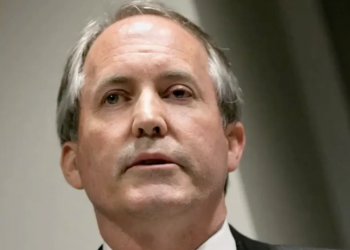
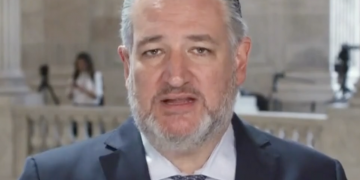
Patrick’s warning centered largely on divisions within the Republican Party, particularly a contentious primary runoff between U.S. Sen. John Cornyn and Texas Attorney General Ken Paxton. He urged both candidates to support whoever wins the runoff, emphasizing that failure to unify could hurt Republicans not only in the Senate race but also in down-ballot contests like the Texas House. Patrick cautioned that if Republican voters become disengaged or fractured, Democrats could capitalize on lower turnout and gain ground in competitive districts.
His remarks echoed a broader pattern of concern among Republicans in Texas and nationwide. Recent elections and political developments have shown signs of shifting momentum, including Democratic gains in certain local and special elections. In one notable case, a Democrat won a Texas state Senate seat in a district that had strongly favored Republicans in prior elections, highlighting the potential for significant swings in voter sentiment.
Political analysts have pointed to several factors contributing to Republican anxiety ahead of the midterms. These include internal disagreements over policy and leadership, as well as concerns about voter enthusiasm and turnout. National trends may also play a role, as midterm elections often serve as a referendum on the party in power, and broader political dynamics can influence state-level races.
Patrick’s warning also comes as Democrats have increased their focus on Texas, investing resources and targeting specific districts where they believe gains are possible. In recent years, suburban areas and parts of the Rio Grande Valley have shown signs of shifting political preferences, with Democrats narrowing margins or flipping seats in some cases.
Despite these challenges, Republican leaders in Texas have expressed confidence that they can retain control. Some have argued that the state’s conservative policies and economic performance will resonate with voters and help maintain support. However, Patrick’s comments suggest that even within the party’s leadership, there is recognition that unity will be essential to avoiding potential losses.
The lieutenant governor’s remarks also highlight the importance of down-ballot races, which can sometimes be overshadowed by higher-profile contests like gubernatorial or Senate elections. While statewide races often attract the most attention, control of the Texas House plays a crucial role in shaping legislation and policy at the state level, including issues such as taxes, education, and infrastructure.
With the November election still months away, both parties are expected to intensify their efforts. Republicans will likely focus on consolidating support and resolving internal disputes, while Democrats will aim to build on recent momentum and target key districts where they see opportunities for gains.
Patrick’s warning serves as a reminder that even in states considered strongholds for one party, political dynamics can shift quickly. As the midterms approach, the outcome in Texas will be closely watched as an indicator of broader national trends and the balance of power within one of the country’s most influential state legislatures.