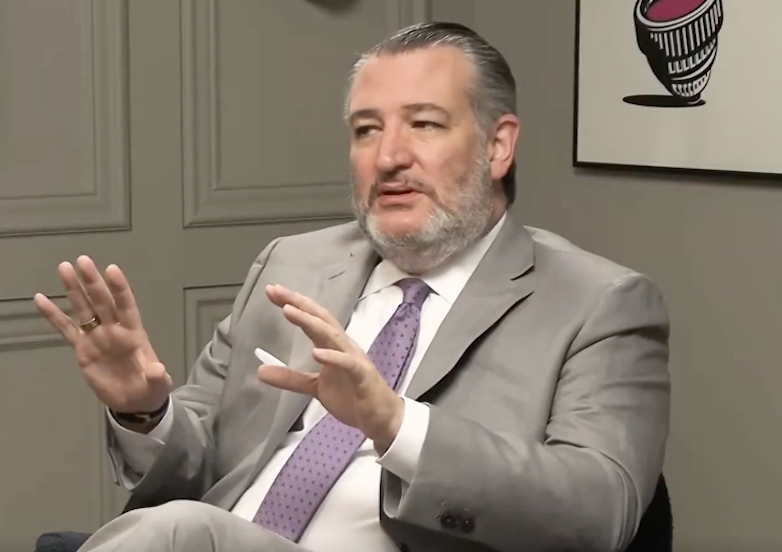
Texas – U.S. Sen. Ted Cruz criticized Texas Democratic state Rep. James Talarico in a recent social media post, framing his comments as a rejection of what Cruz described as “radical woke California policies.”
“James Talarico’s radical woke California policies may work in California. But Texans don’t believe God is non-binary, they don’t support open borders, and they don’t believe there are six genders,” Cruz wrote.
Cruz’s remarks come amid ongoing political tension between Texas Republicans and Democratic lawmakers as cultural and social issues continue to shape political messaging in the state. The senator contrasted what he characterized as progressive ideology with what he described as mainstream beliefs held by many Texas voters.
Talarico, a Democratic member of the Texas House of Representatives, has previously drawn attention for his progressive positions on issues including immigration reform, public education, and LGBTQIA+ rights. In earlier public remarks and interviews, Talarico has emphasized inclusivity and argued that public policy should not discriminate based on gender identity or sexual orientation.
He has also spoken about faith in politics, often framing his Christian beliefs around themes of compassion and social justice. In discussions on gender identity, Talarico has referenced more inclusive theological interpretations, which critics have seized on to portray him as aligned with broader progressive movements on gender and cultural policy.
On immigration, Talarico has supported more humane border policies and pathways for immigrants, positions that differ sharply from Cruz’s long-standing calls for stricter enforcement and expanded border security measures. Those differences have become central to repeated exchanges between Texas Republicans and Democratic lawmakers.
The latest comments reflect a broader pattern in Texas politics where national figures amplify state-level disputes through social media. Republicans, including Cruz, have increasingly used cultural issues such as gender identity, immigration, and education policy to contrast Democratic candidates with conservative voters in Texas.
Political observers note that Texas remains one of the most politically competitive and closely watched states in the country, even though Republicans currently hold most statewide offices. Social media platforms have intensified these exchanges, allowing short statements to quickly reach national audiences and shape public narratives.
Supporters of Cruz argue that his comments reflect concerns among conservative voters about progressive shifts in education, religion, and social policy. They say such messaging resonates with Texans who favor traditional definitions of gender and stronger immigration enforcement.
Critics, however, argue that these characterizations oversimplify Talarico’s positions and contribute to deeper political polarization. They contend that discussions about gender identity and immigration are often reduced to slogans rather than substantive policy debate.
As of publication, Talarico has not issued a direct response to Cruz’s latest remarks, though he has previously defended his positions by emphasizing inclusivity, constitutional rights, and faith-based compassion in public service.
The exchange adds to a growing pattern of political conflict between Texas Republicans and Democrats as both parties continue to sharpen their messaging ahead of upcoming election cycles.