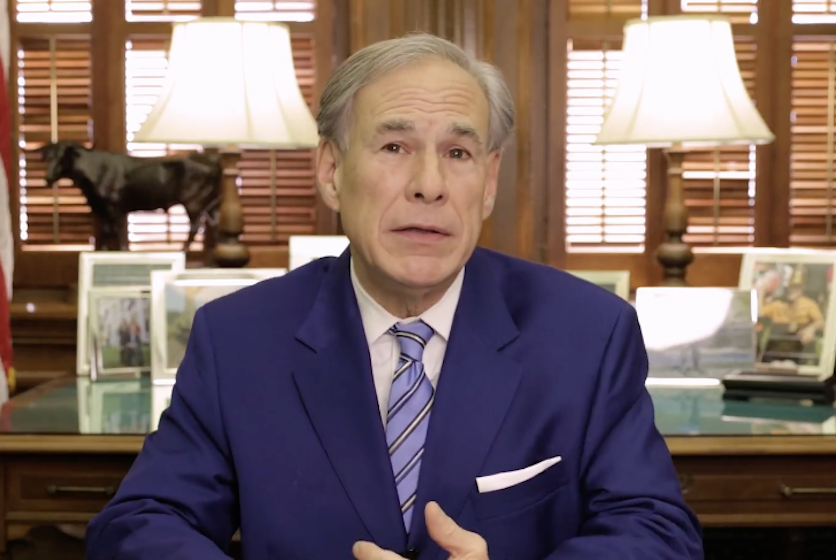
Texas – Texas Gov. Greg Abbott is facing another challenge to his immigration enforcement policies after Houston Mayor John Whitmire ordered city police to sharply limit cooperation with federal immigration authorities during routine traffic stops, reversing a policy that had previously put the city at odds with state leadership.
Whitmire announced the decision on November 6, signing an executive order directing the Houston Police Department to stop contacting U.S. Immigration and Customs Enforcement (ICE) over nonviolent offenses when individuals are not arrested on charges that could result in jail time.
“I do this to begin a healing process — reduce fear and anxiety across our community,” Whitmire said during a news conference announcing the change. “I also do this knowing that elections matter.”
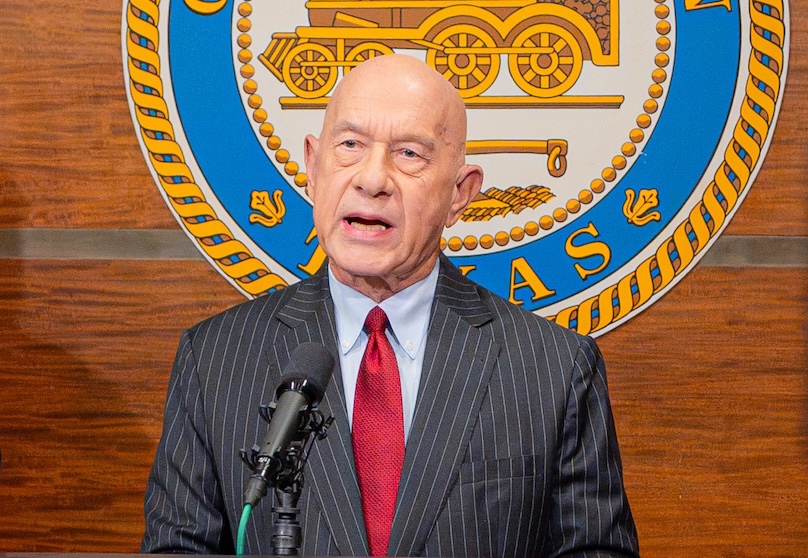
(@houmayor) via X
Under the new directive, Houston police officers will contact ICE when someone is arrested for an offense that could lead to jail time and has an administrative immigration warrant. However, officers will no longer notify federal immigration authorities simply because someone has an outstanding administrative immigration warrant if that person is not arrested.
Houston Police Chief J. Noe Diaz backed the decision, explaining that officers handling minor traffic violations will issue citations or warnings without involving immigration authorities.
“If our police officers pull someone over for a minor traffic infraction and they write a citation, that person receives the citation and goes about their day,” Diaz said. “HPD will no longer contact ICE if they have an administrative warrant and they are not arrested.”
The decision marks a significant reversal after months of conflict between Houston officials and Abbott, who previously threatened to withhold approximately $110 million in state public safety grants over the city’s efforts to restrict cooperation with ICE.
The dispute began in April, when Houston City Council approved an ordinance eliminating a policy that required police officers to wait 30 minutes for ICE agents to arrive during certain traffic stops.
Abbott’s administration pushed back, arguing that the city’s restrictions violated Texas Senate Bill 4, a 2017 state law prohibiting local authorities from adopting policies that limit cooperation with federal immigration enforcement.
The governor subsequently threatened to withdraw roughly $110 million in public safety funding unless Houston reversed course. The threatened funding covered programs important to local law enforcement and other public safety operations.
Under pressure from the state, Houston officials revised the ordinance, and police department leadership issued instructions requiring officers to contact ICE when they encountered individuals with administrative immigration warrants.
Those warrants differ from criminal warrants because they are issued by immigration authorities rather than judges and can involve civil immigration violations, including outstanding deportation orders.
Whitmire’s latest move comes just days after Democrats secured victories in Texas’ statewide elections, including Gina Hinojosa’s defeat of Abbott in the governor’s race.
The mayor pointed to the election results as part of the reason he felt able to change the city’s approach, describing the new directive as a way to rebuild trust between Houston residents and local police, AP News reported.
The decision has also prompted discussions in other Texas cities. Austin Mayor Kirk Watson asked city officials to review their policies governing cooperation with ICE, while San Antonio Mayor Gina Ortiz Jones said she would explore options for ending the police department’s cooperation with federal immigration authorities.
Houston Controller Chris Hollins, who had previously called for changes to the city’s ICE policy, welcomed Whitmire’s announcement but argued the decision should have come sooner.
“ICE killing a man in our city and running over another wasn’t enough to move the mayor,” Hollins said. “I’m glad an election was.”
Meanwhile, ICE criticized the policy change, accusing Whitmire of supporting policies that protect dangerous criminals. Immigration advocates, however, welcomed the announcement, arguing that cooperation between local police and federal immigration authorities can discourage residents from reporting crimes or seeking assistance.
The new directive does not prevent ICE from conducting federal immigration enforcement independently, nor does it eliminate Houston’s obligations under state law. Instead, it changes when local police will contact federal immigration authorities during encounters with individuals who have not been arrested.
The decision sets up another potential confrontation between Houston officials and Abbott’s administration as the outgoing governor prepares to leave office in January 2027.