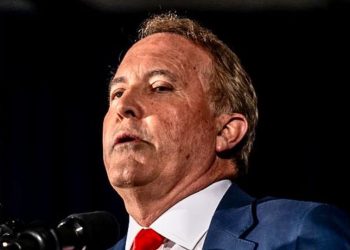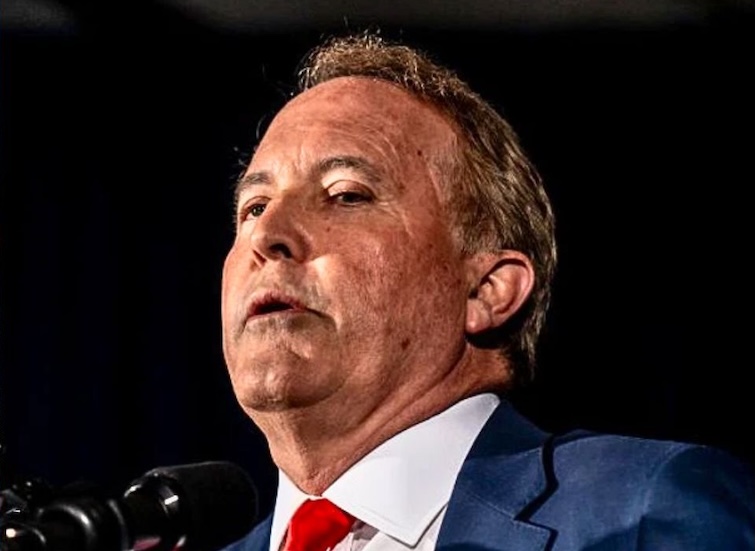
Texas – Texas Attorney General Ken Paxton said he had secured a legal victory shutting down a Houston-area “birth tourism” center that he accused of helping more than 1,000 foreign nationals, primarily from China, come to Texas to give birth and obtain U.S. citizenship for their children.
“I will do everything in my power to stop foreign nationals from unlawfully exploiting our immigration system through the scam of ‘birth tourism,’” Paxton said in a Sept. 18 announcement. “This operation helped Chinese foreign nationals come to Texas to evade our laws. Now, we have shut it down.”
The business at the center of the case is De’Ai Postpartum Care Center, which operated at multiple properties in the Houston area. Paxton’s office said the operation primarily marketed its services to Chinese nationals and had claimed responsibility for more than 1,000 American-born babies.
The closure comes about five months after Paxton filed a lawsuit against De’Ai and its operators in Fort Bend County in April. The state accused the business of operating a “birth tourism” operation and alleged that it helped foreign nationals navigate immigration requirements while arranging for them to travel to Texas for childbirth.
According to the lawsuit and reports on the case, the operation had been active for years and promoted its services through Chinese-language websites and social media. The business operated from properties in Houston, Sugar Land, Richmond and Rosenberg.
Paxton’s office alleged that the center went beyond providing postpartum or maternity services and actively assisted customers with immigration-related matters. One of the allegations involved advice given to women about when to apply for visas.
The attorney general’s office said the center coached foreign nationals on how to avoid immigration restrictions, including advising women to apply for visas “before pregnancy” so that their pregnancies would not raise concerns during the immigration process.
The state also alleged that the business had promoted itself as a service for women seeking to give birth in the United States and obtain citizenship for their children. Court documents cited by local media said the operation could accommodate multiple families and allegedly facilitate as many as 20 births per day.
The case is part of a broader effort by Texas officials to investigate businesses and medical facilities that they believe may be facilitating birth tourism.
The Houston Chronicle reported that De’Ai has now closed following the lawsuit, while Paxton’s office has continued investigating two South Texas hospitals over separate allegations involving birth tourism.
The legal resolution requires De’Ai to stop operating and to cease activities related to facilitating births for foreign nationals, according to reports on the settlement. The center is also required to stop the immigration-related assistance that Texas officials had challenged in court.
The closure represents the outcome Paxton had sought when he filed the April lawsuit. At the time, his office requested court intervention to shut down the operation and sought penalties and other relief under Texas law. The lawsuit accused the defendants of deceptive trade practices, tampering with governmental records, unlawful harboring or concealment and other alleged violations.
However, the allegations against De’Ai were disputed during the litigation. Texas Public Radio and other reporting noted that the center’s attorney, Eric Nichols, declined to participate in an interview, while court filings indicated that the defendants denied the allegations made by the state.
The case also comes amid a much larger national fight over birthright citizenship.
President Donald Trump has sought to restrict automatic citizenship for certain children born in the United States to parents who are not citizens or lawful permanent residents. The issue reached the U.S. Supreme Court, which in June rejected the Trump administration’s effort to end birthright citizenship through the executive order. The ruling left the longstanding constitutional framework governing citizenship at birth in place.
That broader legal dispute has intensified attention on birth tourism, which refers to foreign nationals traveling to the United States for the purpose of giving birth and obtaining U.S. citizenship for their children.
Reporting from local news outlets has noted that birth tourism represents a relatively small share of all U.S. births. Julia Gelatt of the Migration Policy Institute told public radio that less than 1% of annual U.S. births can be attributed to birth tourism, while also noting that existing immigration policies already allow authorities to scrutinize travelers who may be entering the country while pregnant.
Houston immigration attorney Gordon Quan similarly told public radio that giving birth in the United States does not automatically provide the parents with a right to remain in the country or immediately give them a path to permanent residency.
Despite those broader questions, Texas officials have continued pursuing individual businesses they believe are facilitating unlawful activity connected to birth tourism.
Gov. Greg Abbott has also taken action on the issue. After directing state health officials to investigate a South Texas hospital over alleged birth-tourism advertising, Abbott said Texas agencies should investigate health care providers suspected of participating in the practice and take action when violations are found.
Paxton later expanded his focus to other South Texas medical facilities, ordering investigations into Mission Regional Medical Center and Knapp Medical Center over allegations related to birth tourism. Mission Regional said a limited marketing campaign had been discontinued and described it as an effort to provide information to an underserved community rather than a program designed to facilitate unlawful immigration.
The De’Ai case nevertheless represents a separate enforcement action focused directly on a private business accused of arranging services for foreign nationals seeking to give birth in Texas.
Paxton said the closure demonstrates that his office will continue pursuing companies that he believes are exploiting immigration and citizenship laws.
The attorney general’s office said De’Ai will cease its operations and stop facilitating births for foreign nationals, ending a Houston-area operation that the state says was responsible for more than 1,000 American-born babies and had specifically targeted Chinese clients.
The case now adds another development to Texas’ broader campaign against alleged birth tourism as state and federal officials continue debating immigration enforcement, visa fraud and the legal limits surrounding birthright citizenship.