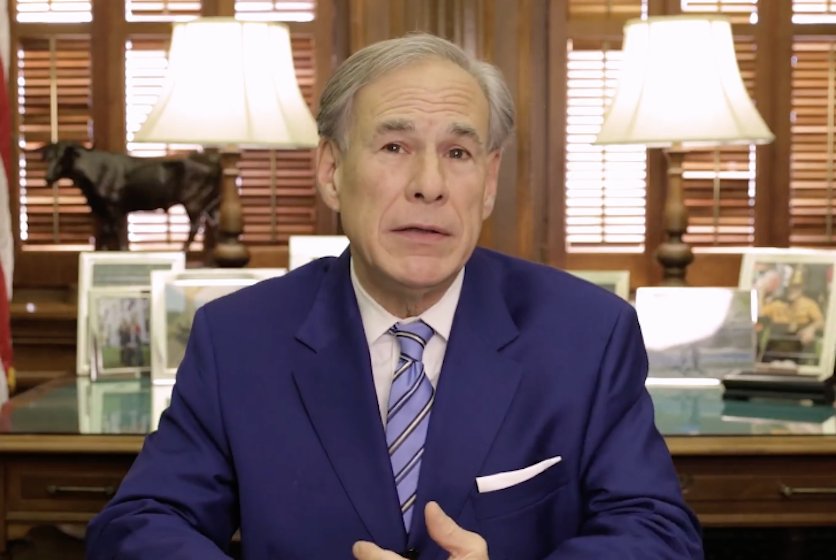
Texas – Texas Gov. Greg Abbott praised a recent U.S. Supreme Court decision involving parental rights in public education, responding to a high-profile ruling that addressed whether parents can opt their children out of certain classroom instruction involving LGBTQ-related themes.
In a post on X (formerly Twitter), Abbott stated, “This ruling is correct. But it should be banned altogether like it has been in Texas.” His comments reflect Texas’ ongoing political stance on education policy, where state leaders have frequently supported restrictions on curriculum content involving gender identity and sexual orientation discussions in public schools.
The governor’s remarks came after widespread online discussion of a U.S. Supreme Court decision that ruled in favor of parents seeking greater control over what their children are exposed to in public school instruction. In the ruling, the Court sided with families who argued that mandatory exposure to certain instructional materials without an opt-out option could violate their religious freedoms and parental rights.
According to reporting and legal analysis surrounding the case, the dispute stemmed from a school district policy in Montgomery County, Maryland, where parents challenged the inclusion of LGBTQ-themed storybooks in elementary school classrooms. The families argued that they were not given adequate notice or the ability to opt their children out of lessons they believed conflicted with their religious beliefs.
The Supreme Court of the United States ruled in a 6–3 decision that parents were likely to succeed in their claim that the school district’s policy placed an unconstitutional burden on their First Amendment rights. The majority opinion emphasized the importance of parental religious liberty and the ability to direct a child’s moral and educational upbringing without compelled participation in instruction that conflicts with deeply held beliefs.
Supporters of the ruling have described it as a major victory for parental rights in education, arguing that families should have stronger authority over classroom exposure, particularly in sensitive or value-based topics. Critics, however, have raised concerns that expanded opt-out policies could create administrative challenges for schools and potentially lead to fragmented classroom instruction if large numbers of students are removed from lessons.
A social media post from an account identifying as “GRANDPA’s FREE ADVICE” framed the decision as a broader cultural turning point, stating that the Court had “ruled that parents have the right to opt their children out of LGBTQ+ indoctrination in public schools” and describing it as a “massive victory for moms, dads, and common sense.” The post also characterized the ruling as a rejection of “ideological propaganda,” reflecting language commonly used in ongoing national debates over education content.
Education policy experts note that the ruling is part of a broader series of legal battles in the United States over curriculum transparency, parental notification, and religious liberty in public schools. Similar disputes have emerged in multiple states in recent years, often centered on how schools balance inclusive educational materials with parental concerns.
In Texas, state lawmakers have already advanced legislation aimed at increasing parental rights in education, including policies requiring school districts to provide greater transparency on classroom materials and allowing parents more input in curriculum decisions. Abbott’s comments align with that broader policy direction, reinforcing the state’s position in favor of stricter limits on school instruction involving gender and sexuality topics.
As implementation and further legal interpretations of the Supreme Court ruling continue to unfold, education systems across the country are expected to review opt-out policies and adjust administrative procedures. The decision is likely to influence ongoing debates in state legislatures and school boards, particularly in politically divided regions where curriculum content remains a contentious issue.
The ruling, combined with reactions from political leaders like Abbott, highlights the continued national divide over education policy, parental rights, and the role of public schools in addressing social and cultural topics in the classroom.