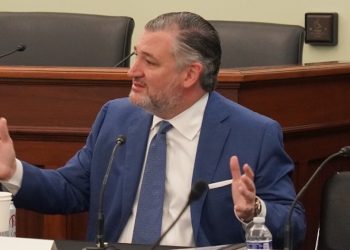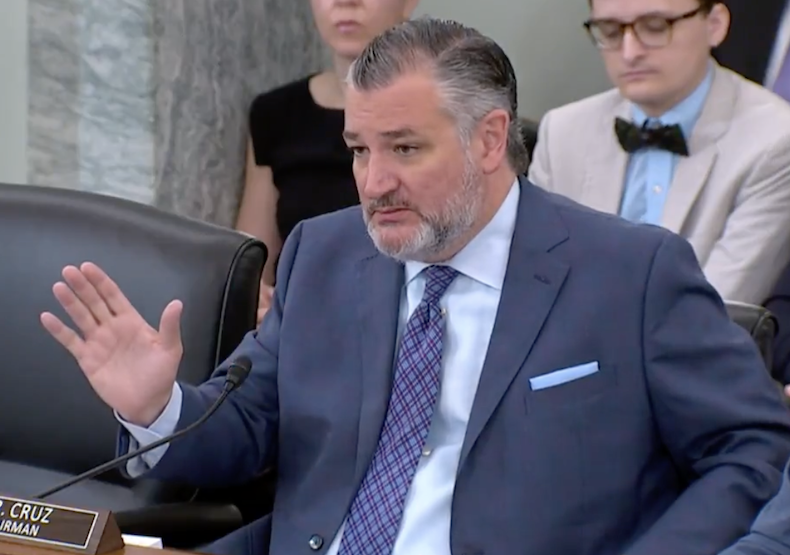
Waco, TX – “Let’s not turn Texas into London,” U.S. Sen. Ted Cruz said after Republicans revived criticism of Democratic Senate nominee James Talarico over his support for a 2025 bill concerning AI-generated political content and memes. Cruz made the comment while sharing a post on X claiming Talarico had backed legislation that could have resulted in Texans being jailed for posting certain memes.
The controversy centers on House Bill 366, legislation introduced during the 2025 Texas legislative session that sought to require disclosures when substantially altered media was used in political advertising. The Texas House passed the measure 102-40.
The bill was introduced amid growing concerns about artificial intelligence and manipulated images, audio and video being used to influence elections. Under the legislation, political candidates, officeholders and political committees using substantially altered media in advertisements would have been required to disclose that the material had been altered. Violations were classified as a Class A misdemeanor, per reports.
Critics, however, argued the language was broad enough to potentially affect political memes and other online content. Townhall reported that Talarico voted for the legislation and that opponents argued the measure could have exposed people to criminal penalties for publishing altered political content without the required disclaimer.
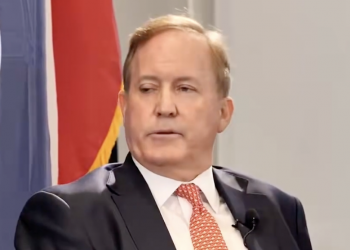
The issue has now resurfaced as Talarico campaigns for the U.S. Senate. He is the Democratic nominee and is set to face Republican Ken Paxton in the general election.Republicans have increasingly sought to use Talarico’s legislative record and past statements to portray him as too far to the left for Texas. The Texas Tribune reported earlier this year that Republican groups had been combing through Talarico’s past comments and legislative positions as they attempted to characterize him as a “radical” Democrat.
The meme legislation has become another part of that campaign strategy.
The legislation itself was more specifically aimed at political advertisements than ordinary social media posts. The Texas Tribune reported that the bill required disclosures for substantially altered media used in political advertising and included a $100 spending threshold. It also excluded several categories of entities, including broadcasters, internet providers and computer services, from liability.
The bill was amended before passing the House to clarify that individuals would not be punished simply for making superficial changes to media, such as adjustments to brightness, contrast or color.
Still, the measure attracted opposition from some conservative lawmakers who argued that the government should not police political speech or determine whether online material should carry disclaimers. Rep. Andy Hopper, R-Decatur, criticized the proposal during the House debate, arguing that Texans already have platforms through which they can communicate politically.
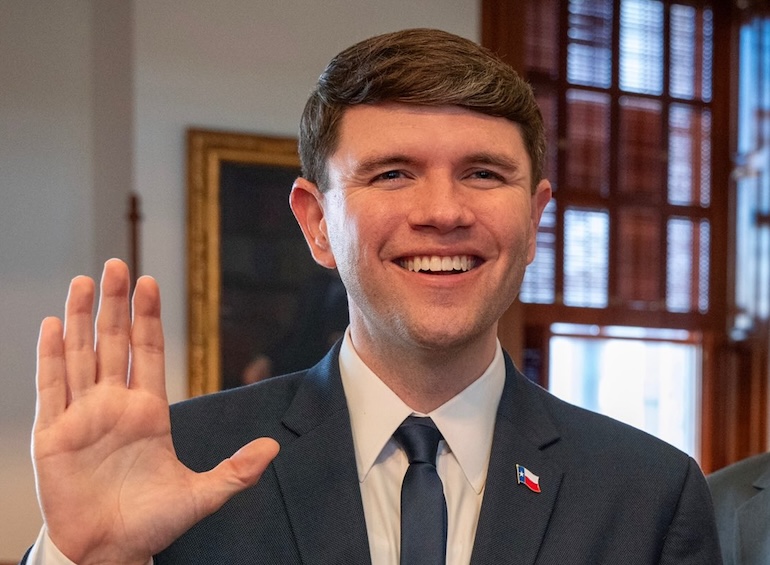
For Talarico, the controversy comes at a critical point in his campaign. His Senate race against Paxton has become one of the closely watched contests of the 2026 election cycle. Recent reporting has shown Republican groups investing heavily in efforts to define Talarico before the general election, while Talarico has focused his campaign on affordability, economic policy and criticism of Republican leadership, according to WCBM.
Cruz’s latest attack adds another high-profile Republican voice to those efforts, with the Texas senator using Talarico’s support for the legislation to argue that Texans should reject policies he believes could restrict political expression.
The dispute is likely to remain part of the broader campaign battle as Talarico and Paxton compete for the Senate seat, with both parties expected to continue highlighting the other’s voting record and past positions.