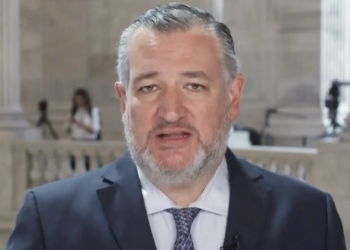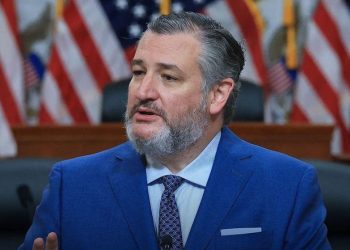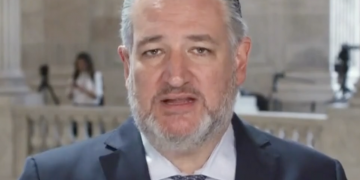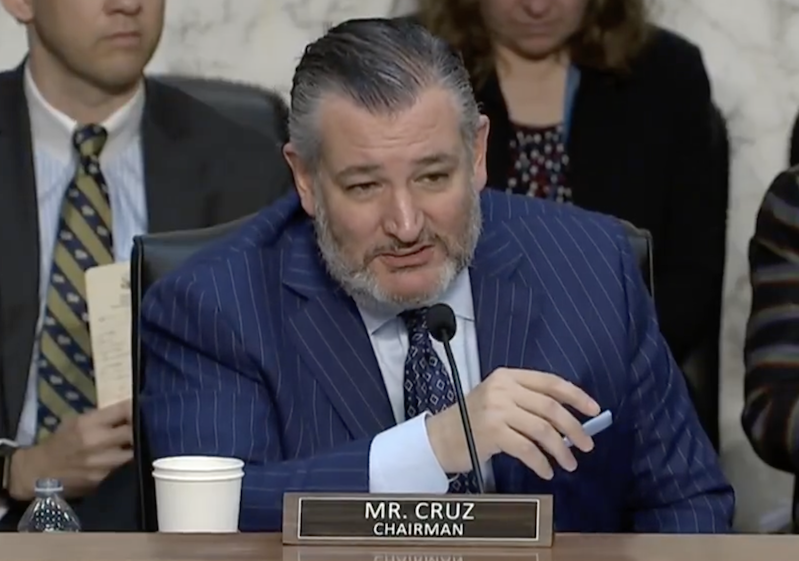
Texas – Texas Sen. Ted Cruz is urging the U.S. House of Representatives to quickly approve TREY’S Law, legislation designed to prevent nondisclosure agreements (NDAs) from being used to silence survivors of child se-ual abuse.
In a recent statement, Cruz said, “No child who survives se-ual abuse should be forced into silence by a contract.” He added that TREY’S Law would make clear that NDAs cannot be used to “bury abuse, shield predators, or deny survivors the right to tell the truth.”
The senator called on House lawmakers to take up the measure and send it to the president’s desk as soon as possible.
The legislation is named after Trey Carlock, a former National Merit Scholar and brain researcher who experienced se-ual abuse as a child at a Missouri summer camp. According to his family, Carlock struggled for years with the trauma of the abuse and the effects of a nondisclosure agreement connected to a civil settlement he reached as an adult. Carlock died by suicide in 2019 at the age of 28.
His sister, Elizabeth Carlock Phillips, has become a leading advocate for reforming laws surrounding NDAs in abuse cases. She has argued that confidentiality agreements can prevent survivors from fully discussing their experiences and may discourage others from coming forward.
“NDAs were created to protect trade secrets, not trauma secrets,” Phillips has said while advocating for the legislation.
TREY’S Law would prohibit nondisclosure agreements from preventing survivors of child se-ual abuse from speaking publicly about the abuse they experienced. Supporters say the proposal is intended to stop institutions and individuals from using settlement agreements to keep allegations hidden from public view.
At the same time, the bill would continue to allow survivors to keep settlement amounts confidential and preserve privacy protections if victims choose not to speak publicly. According to Cruz, the legislation is focused on ensuring that survivors—not organizations or alleged abusers—control whether their stories are shared.
The proposal has received bipartisan support in Congress. The measure advanced unanimously through the Senate Judiciary Committee before later passing the Senate by unanimous consent. Lawmakers from both parties have signed on as supporters of the legislation.
Supporters argue that preventing the use of NDAs in child se-ual abuse cases could help expose repeat offenders and protect future victims. Texas State Rep. Jeff Leach, who sponsored a state version of TREY’S Law, has said confidentiality agreements should not be used as what he described as “hush money” in abuse cases.
U.S. Rep. Brandon Gill is sponsoring the House version of the bill and has expressed optimism that it could move quickly through the chamber. He said the idea that a child survivor of se-ual assault could be prevented from speaking because of an NDA is something most Americans, regardless of political affiliation, believe should be addressed.
The federal legislation follows similar laws adopted in Texas and several other states. Advocates say a nationwide standard would ensure survivors across the country have the same protections and the same ability to speak about their experiences without fear of violating settlement agreements.
If approved by the House and signed into law, TREY’S Law would establish federal protections preventing NDAs from being used to silence survivors of child se-ual abuse while preserving their right to privacy if they choose it.