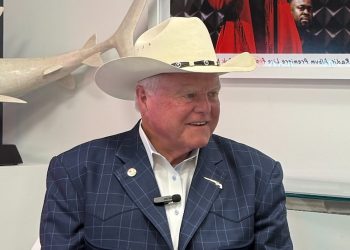
Texas – Texas Agriculture Commissioner Sid Miller said Gov. Greg Abbott’s decision to begin reviewing new data center projects is a step in the right direction but argued the action does not go far enough to address concerns over water usage, energy demands, and impacts on rural communities.
Miller said Abbott’s directive serves only as a “filter” rather than a halt on new projects and renewed his call for the governor to convene a special session of the Texas Legislature to establish stronger protections for the state’s resources and taxpayers.
“Governor Abbott is finally paying attention and listening to the concerns I have raised for months. I’m glad he has begun to act, but let’s not pretend this directive solves the problem,” Miller said.
The agriculture commissioner argued that the directive is “vague” and does not create the immediate moratorium that he and other critics of large-scale data center developments have requested.
Miller’s comments came after Abbott announced new steps to scrutinize future data center projects amid growing debate over their impact on Texas’ infrastructure. Large data centers, including hyperscale facilities operated by major technology companies, require significant amounts of electricity and water, raising concerns among some lawmakers, landowners, and local communities.
Miller said recent Senate hearings highlighted the divide between industry representatives and residents who have raised concerns about the rapid expansion of data centers across the state.
“Texans heard from the data center lobby, and they heard from hardworking citizens whose homes, land, livelihoods, and communities have been upended by the massive hyperscale data centers,” Miller said.
The commissioner also pointed to taxpayer incentives associated with attracting data centers to Texas, arguing lawmakers should examine the long-term costs before approving additional benefits for new projects.
Miller cited projected state sales-tax exemptions for qualifying data centers during the 2028-29 budget cycle, arguing the cost could represent a significant portion of annual state sales-tax revenue. He also raised concerns about local property tax abatements and the cost of expanding water and electric infrastructure needed to support the facilities.
“Before Texas gives away another nickel, the Legislature must examine these deals, determine their true cost, and ensure Texans are getting something worthwhile in return,” Miller said.
Supporters of expanding data center development have argued that the projects bring investment, create jobs, strengthen Texas’ technology sector, and help position the state as a leader in artificial intelligence and other emerging industries. Industry officials have also said data centers provide economic benefits to communities and contribute to future technological growth.
However, critics have raised concerns that rapid development could place additional pressure on already strained utility systems and water supplies, particularly in rural areas where infrastructure expansion may be needed.
Miller said Abbott has previously called multiple special legislative sessions and argued that lawmakers should be brought back to Austin to address what he described as urgent concerns involving water, electricity, private property rights, and the agricultural economy.
“Governor, call the special session. Hit the brakes before the taxpayers and ratepayers of Texas get run over,” Miller said.
Abbott’s office has not indicated whether the governor plans to call a special session focused specifically on data center regulations. The debate is expected to continue as Texas weighs economic growth from new technology investments against concerns about infrastructure capacity and resource management.