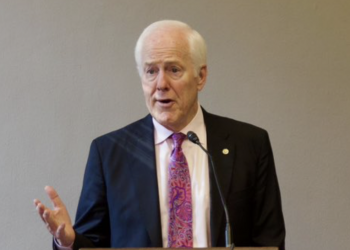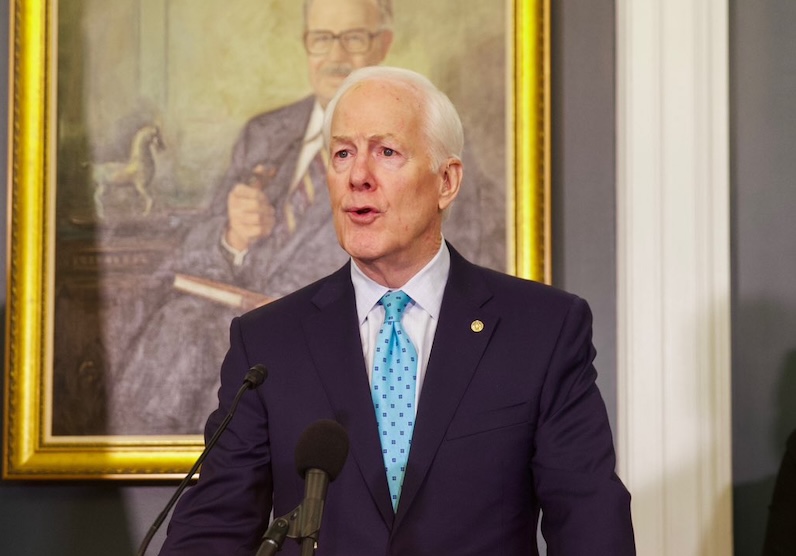
Texas – Texas Sen. John Cornyn is questioning how Congress could effectively regulate artificial intelligence as the technology continues to evolve rapidly, while also raising concerns about whether America’s adversaries would follow the same rules.
Cornyn made the comments as lawmakers in Washington continue debating whether new federal regulations are needed to address the growing risks and challenges surrounding artificial intelligence.
“Two questions for those asking Congress to regulate AI: 1) how does Congress regulate AI (assuming Congress knows enough to pass wise and effective regulation) when the technology is evolving so rapidly? 2) will our adversaries play by the same rules?” Cornyn said in a Sept. 11 post.
His comments come as Congress faces renewed pressure to establish rules governing increasingly advanced AI systems, with lawmakers from both parties debating how much oversight the federal government should impose and how regulations could affect America’s ability to compete with countries such as China.
Reuters reported that Senate negotiators were considering legislation that would require AI companies to take steps to mitigate major risks associated with advanced AI technology. The proposal under discussion could establish a legal “duty of care” for developers and require companies to design AI systems to reduce the possibility of catastrophic risks, including potential misuse involving nuclear or biological weapons.
The negotiations illustrate the difficult questions facing lawmakers that Cornyn raised in his post. Congress is being asked to establish rules for technology that continues to develop at a rapid pace, while lawmakers must determine how detailed those rules should be and whether government agencies can keep up with new capabilities.
The debate has intensified following recent warnings from AI researchers about the potential risks associated with increasingly autonomous systems.
Reuters reported earlier this week that lawmakers from both parties were calling for greater government oversight following warnings from researchers at Anthropic and other technology companies about the possibility of advanced AI systems being misused or behaving in unpredictable ways. The concerns have included potential cyberattacks, biological weapons development and other serious national security threats.
Cornyn’s second question focuses on the international implications of regulation. Even if Congress establishes strict requirements for U.S. companies, he questioned whether foreign competitors and adversaries would impose comparable restrictions on their own AI development, according to Washington Times.
That concern has become a major part of the broader debate in Washington. Lawmakers supporting increased regulation have argued that the United States needs safeguards for powerful AI systems, while opponents and skeptics have warned that overly restrictive rules could slow American innovation and allow China or other foreign competitors to gain an advantage.
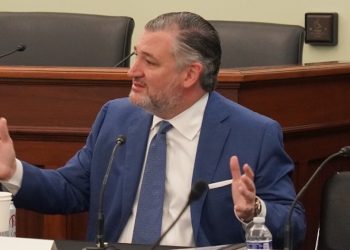
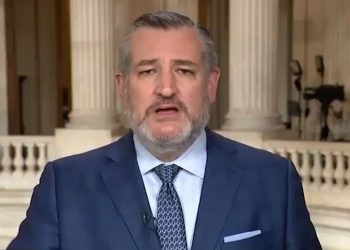
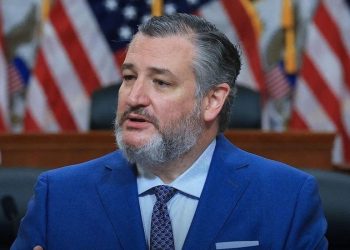
Texas Sen. Ted Cruz, who chairs the Senate Commerce, Science and Transportation Committee, has also become increasingly involved in the congressional debate over AI safety. The Houston Chronicle reported that Cruz, who has historically opposed extensive AI regulation, is now working with Senate colleagues on legislation aimed at addressing risks from advanced AI systems following recent warnings from AI researchers.
The current debate is therefore moving beyond the question of whether AI should be regulated at all and toward questions about what specific safeguards Congress should require, which federal agencies should oversee them and how the United States can maintain its technological advantage.
Cornyn’s comments highlight one of the central challenges lawmakers face: writing rules that remain effective as AI technology changes.
His first question raises concerns about whether Congress can move quickly enough to create effective regulations without imposing rules that become outdated almost immediately. His second focuses on the possibility that U.S. companies could face restrictions that foreign competitors do not follow.
The Senate discussions remain ongoing, and the legislation being considered has not yet been finalized. Reuters reported that the congressional negotiations include proposals involving government authority to block the release of AI models considered unsafe, while companies could retain the ability to challenge those decisions in federal court.
For Cornyn, the issue is therefore not simply whether Congress should regulate artificial intelligence, but whether lawmakers can craft rules that are effective, practical and capable of keeping pace with a technology that is changing faster than traditional legislation.
His questions come as Congress faces growing pressure to act on AI while also confronting the competing concerns of national security, technological innovation, economic competitiveness and the possibility that U.S. regulations could put American developers at a disadvantage if foreign adversaries do not adopt similar standards.