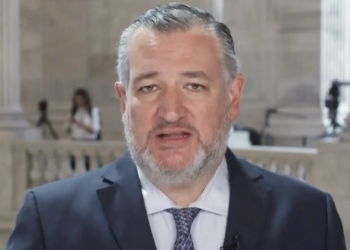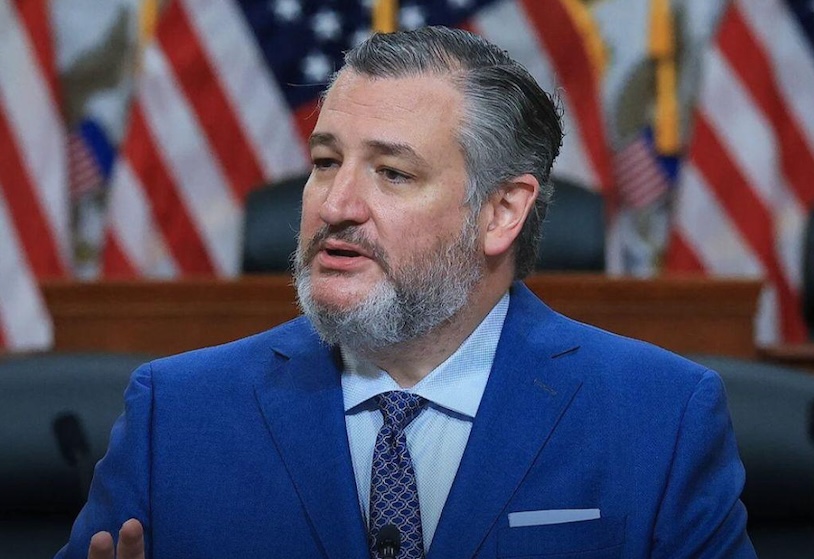
Texas – Sen. Ted Cruz signaled support for a federal review of the Federal Communications Commission’s E-Rate program, joining a broader policy discussion over school technology use, student performance, and federal broadband subsidies.
In a post on social media, Cruz said “good policy occasionally takes the scenic route,” while referencing recent Republican-led discussions in the Senate Commerce Committee regarding the program. He noted that lawmakers have spent years examining E-Rate, including proposals tied to Universal Service Fund reform, hotspot expansion, and oversight initiatives such as “Eyes on the Board” and KOSMA.
Cruz said he welcomed the FCC’s decision to conduct a broader review of the program and expressed interest in further discussion as the process moves forward.
The comments come as FCC Chairman Brendan Carr announced a new review of the E-Rate program, which currently provides roughly $3 billion annually in subsidies for internet access and internal connections for schools and libraries across the United States.
Carr argued that the review is necessary due to growing concerns about student screen time and its impact on academic performance. He cited research suggesting excessive screen exposure has been linked to declining reading comprehension, lower academic achievement, and reduced foundational skills among students.
“Over the last several years—and especially during COVID—many schools dramatically increased screen time for kids,” Carr said in a public statement. He added that the FCC must ensure its programs “support learning, not distractions or declining performance.”
The E-Rate program has operated for nearly three decades and is designed to expand broadband access to educational institutions. However, Carr said the FCC’s upcoming vote will examine whether the program is being used in ways that align with its original educational purpose.
The proposed review would also assess how funds are being spent, how schools are implementing connected technologies, and whether current safeguards are sufficient to protect students online. Officials said the process will include input from educators, policymakers, and stakeholders across the country.
Carr also referenced broader policy trends at the state and federal level, noting that some states have moved to reduce screen time in classrooms or restrict device usage for younger students. He said these actions reflect growing concern about the role of technology in education.
The FCC is expected to vote on launching the formal review later this month. If approved, the process could lead to new rules or guidance on how E-Rate funds are used in schools and libraries nationwide.
The debate highlights a growing national divide over education technology—balancing access to digital tools with concerns about student development, academic performance, and long-term learning outcomes.