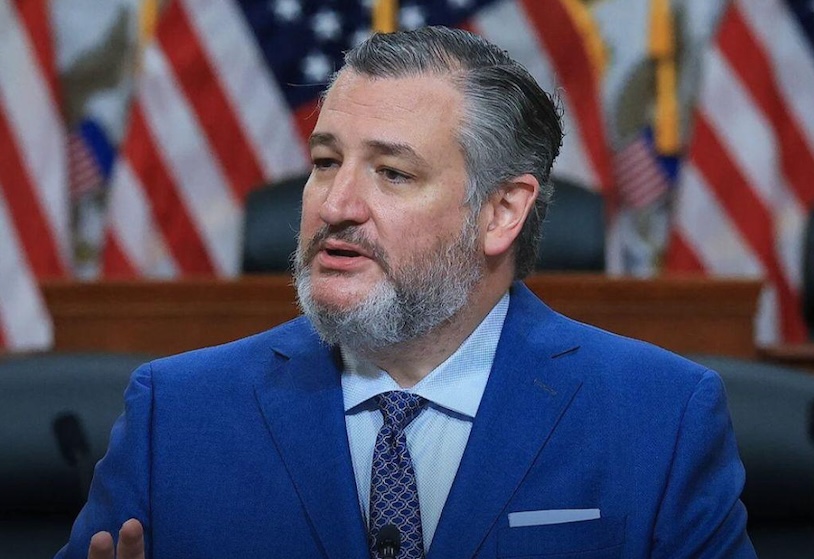
Texas – Texas Senator Ted Cruz has drawn renewed attention in recent reporting over his alignment with Trump-era immigration enforcement messaging, particularly as Texas officials escalate pressure on cities over cooperation with federal immigration authorities.
A major point of focus has been Houston’s recent revision of a local ordinance that had limited police cooperation with Immigration and Customs Enforcement in certain civil immigration detainer situations. According to the Associated Press, the policy change came after Governor Greg Abbott warned that the city could lose more than $100 million in public safety funding if it did not comply with state expectations on immigration enforcement. The Associated Press reported that the dispute reflects a broader conflict between state leadership and major Texas cities over immigration enforcement authority, AP reported.
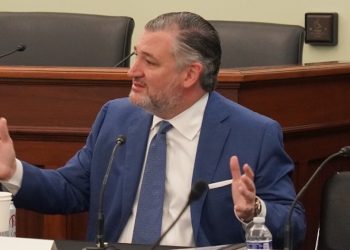
Senator Ted Cruz supported the state’s position during the dispute, aligning himself with Governor Abbott’s push for stronger cooperation with ICE. Local reporting noted that Cruz criticized Houston’s original ordinance, arguing that limits on ICE cooperation undermine public safety and federal immigration enforcement efforts, FOX26 reported.
Senator Ted Cruz has publicly supported Governor Abbott’s approach, backing efforts to ensure local jurisdictions fully cooperate with federal immigration enforcement. In coverage from Fox 26, Cruz was quoted supporting the state’s decision to pressure Houston, stating that local limits on ICE cooperation are “dangerous” and undermine immigration law enforcement. Cruz also backed financial pressure on the city, aligning with Abbott’s position that state funding should be used as leverage to enforce compliance.
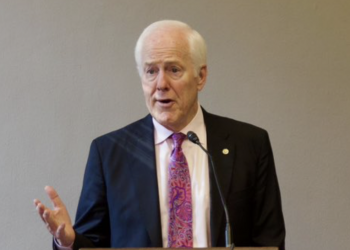
Senator John Cornyn also publicly opposed the city’s policy, joining Cruz in calling for stricter alignment between local law enforcement and federal immigration authorities. Both senators have backed broader efforts to increase ICE cooperation in Texas cities, particularly as state officials use funding leverage to enforce compliance.
The policy debate has triggered criticism from civil rights organizations, which argue that increased cooperation with ICE may expand the role of local police in civil immigration enforcement and increase pressure on immigrant communities. Groups such as the ACLU of Texas have raised concerns in public statements about the potential impact of expanded enforcement on due process protections and community trust in law enforcement.
National reporting from outlets such as Reuters has placed the Texas dispute within a broader context of immigration enforcement debates tied to Trump-aligned policy priorities, including expanded ICE authority and increased cooperation between federal and state agencies. Supporters of these policies argue they improve border security and ensure consistent enforcement of federal law, while critics say they reduce local discretion and increase the risk of over-enforcement in civil immigration matters.
Together, the developments in Texas reflect an ongoing political divide over immigration enforcement, with Senator Cruz firmly aligned with state leadership pushing for stricter cooperation with ICE, and civil rights groups warning about the broader consequences of expanding federal-local enforcement coordination.