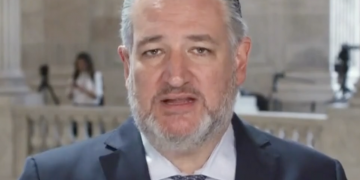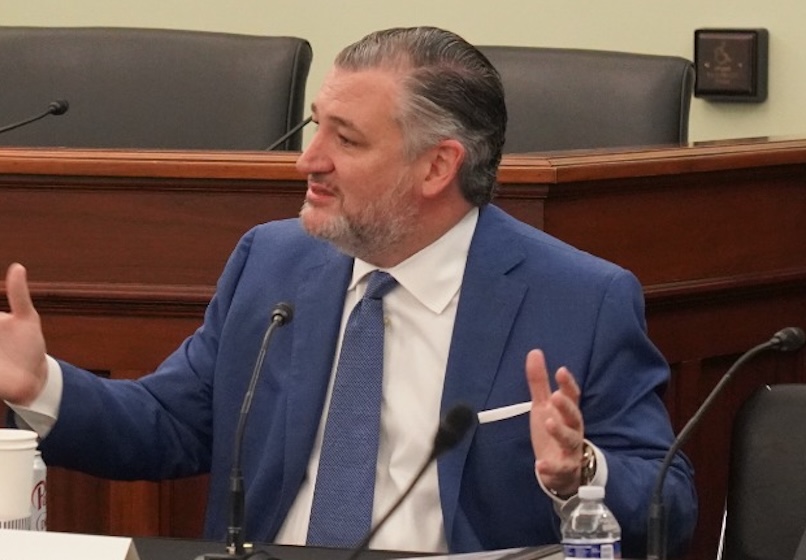
Texas – Sen. Ted Cruz, a Republican from Texas, recently accused Minnesota Gov. Tim Walz and Minnesota Attorney General Keith Ellison of failing to properly address fraud within state programs and instead targeting individuals who attempted to expose wrongdoing. His comments were made in a social media post on X (formerly Twitter) and in a video excerpt circulating online in which he expanded on those claims.
In his post, Cruz stated that Walz and Ellison were “trying to play victim” while alleging that they were aware of fraud occurring in Minnesota but did not take sufficient action against those responsible. Instead, Cruz claimed the officials “went after whistleblowers who were trying to expose fraud in Minnesota,” calling their actions “disgraceful.”
Cruz’s remarks were further emphasized in a video excerpt in which he criticized narratives suggesting that Minnesota’s elected leadership was unaware of fraud issues or actively working to prosecute them. In the clip, Cruz stated that claims by Walz and Ellison that they “wanted to go after the fraud” were not credible. He said the situation “demonstrates, I think powerfully, they are lying,” and further alleged that instead of pursuing fraudsters, state leadership worked “to silence the whistleblowers and prevent anyone from knowing about the fraud.”
The senator’s comments come amid ongoing political debate surrounding several high-profile fraud investigations in Minnesota in recent years. One of the most widely cited cases is the Feeding Our Future scandal, a federal investigation involving allegations that individuals fraudulently obtained millions of dollars in pandemic-related child nutrition program funds. Multiple defendants have been convicted in connection with the scheme, and federal prosecutors have described it as one of the largest pandemic-related fraud cases in the United States.
Minnesota state officials, including agencies under the Walz administration, have pointed to such prosecutions as evidence that fraud is being actively investigated and prosecuted. Attorney General Keith Ellison’s office has also pursued legal action in multiple fraud-related cases, including those involving public assistance programs and nonprofit funding oversight.
Supporters of the administration argue that large-scale fraud cases are often complex and involve delayed detection, with investigations frequently initiated through audits, federal cooperation, or law enforcement coordination. They maintain that Minnesota authorities have taken significant steps to address fraud once it has been identified.
At the same time, criticism has emerged from political opponents and some advocacy groups who argue that oversight failures allowed certain fraudulent schemes to grow before being uncovered. Allegations involving whistleblower treatment have also surfaced in broader discussions, though specific claims vary depending on the case and have been contested by state officials.
Walz and Ellison have previously defended their records, stating that their offices have increased efforts to strengthen fraud detection and prosecution systems. They have pointed to joint work with federal agencies and improved reporting mechanisms as part of broader reforms intended to prevent misuse of public funds.
Cruz’s comments add to an already polarized national conversation about government accountability, fraud prevention, and the role of whistleblowers in exposing misconduct. While his statements sharply criticize Minnesota leadership, state officials continue to emphasize ongoing prosecutions and reforms as evidence of active enforcement rather than negligence or intentional inaction.
As investigations and legal proceedings continue in multiple fraud-related cases in Minnesota, the political debate surrounding responsibility, oversight, and enforcement is expected to remain a contentious issue among state and national leaders.