Texas – A federal appeals court has ruled that Texas may move forward with enforcing its controversial migrant arrest law known as SB4, marking a significant legal win for state officials and a major development in the ongoing national debate over immigration enforcement authority.
The decision was issued on April 24, 2026, by the U.S. Court of Appeals for the 5th Circuit, which lifted a lower court injunction that had blocked the law from taking effect. The ruling allows Texas to proceed with enforcement while broader legal challenges continue in the courts.
SB4, signed into law by Governor Greg Abbott in December 2023, makes it a state crime to illegally enter or re-enter Texas from a foreign country. The law authorizes state and local law enforcement officers to arrest individuals suspected of crossing the border unlawfully and allows state judges to order removal from the United States. Penalties under the law can reach up to 20 years in prison in certain cases involving refusal to comply with removal orders.
The 5th Circuit Court did not issue a full ruling on the constitutionality of SB4. Instead, the majority opinion focused on procedural grounds, stating that the plaintiffs challenging the law did not have proper legal standing to continue the case in federal court. As a result, the injunction blocking enforcement was lifted.
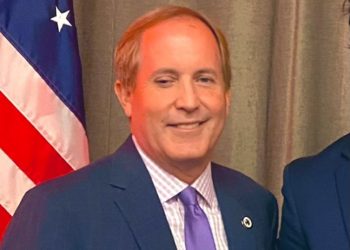
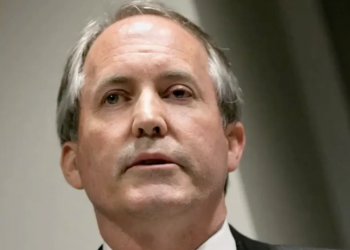
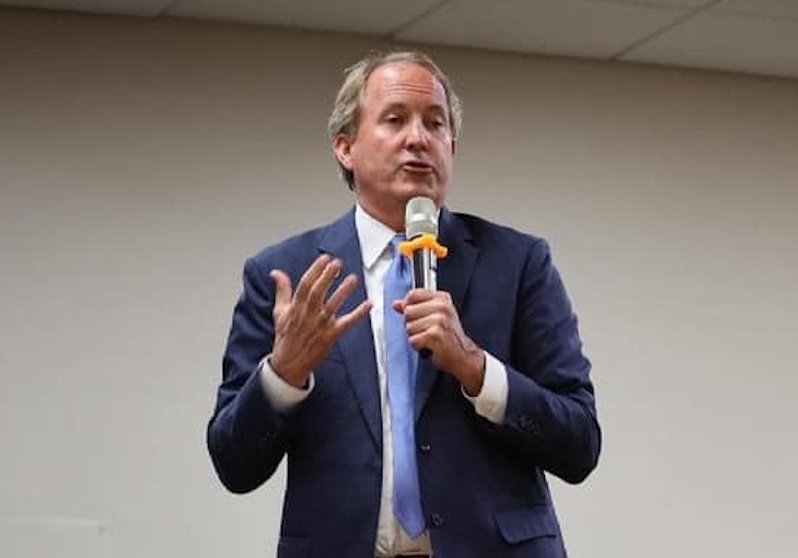
The decision immediately drew praise from Texas officials, including Attorney General Ken Paxton, who has long defended the law as a necessary tool for addressing illegal immigration at the state level. Supporters of SB4 argue that Texas has been forced to take action due to what they describe as insufficient federal enforcement at the southern border. Paxton hailed the ruling. “Texas’s right to arrest illegals, protect our citizens, and enforce immigration law is fundamental,” he said in a statement.
Governor Greg Abbott and other Republican leaders have also supported the measure, framing it as part of a broader effort to strengthen border security and deter unlawful entry into the state. Texas officials have previously stated that rising border crossings created urgent public safety and resource concerns, prompting the passage of the law.
However, the ruling also renewed criticism from immigrant rights organizations and legal advocacy groups, which argue that SB4 violates the U.S. Constitution by placing immigration enforcement authority at the state level. Immigration policy has traditionally been handled by the federal government, and opponents of SB4 contend that allowing individual states to enforce immigration laws could lead to legal inconsistencies and civil rights concerns across the country.
Advocacy groups involved in the case have pledged to continue their legal challenge, and further court proceedings are expected as the case returns to lower courts for additional review.
Legal experts say the decision could have broad implications beyond Texas, as other states have considered similar legislation aimed at increasing state-level immigration enforcement powers. The ruling may also set the stage for future appeals that could eventually reach the U.S. Supreme Court.
At the same time, federal officials have not issued new guidance following the ruling, and it remains unclear how aggressively Texas will begin enforcing SB4 in the short term.
The case is part of a larger national legal and political battle over immigration enforcement authority, state sovereignty, and the federal government’s role in border security.
For now, the 5th Circuit’s ruling gives Texas permission to proceed, but the legal fight over SB4 is far from over.